Firearm Identification & Dating

This section is designed as a practical collector’s reference. Each guide focuses on markings, serial number ranges, maker or arsenal identifiers, production clues, and model changes that help place a historical firearm in context.
These are text-first guides rather than specimen profiles. The goal is to provide a straightforward reference point for identifying and dating common military and historic arms, while keeping the actual guide pages clean and research-focused.
Military Service Arms & American Frontier
-
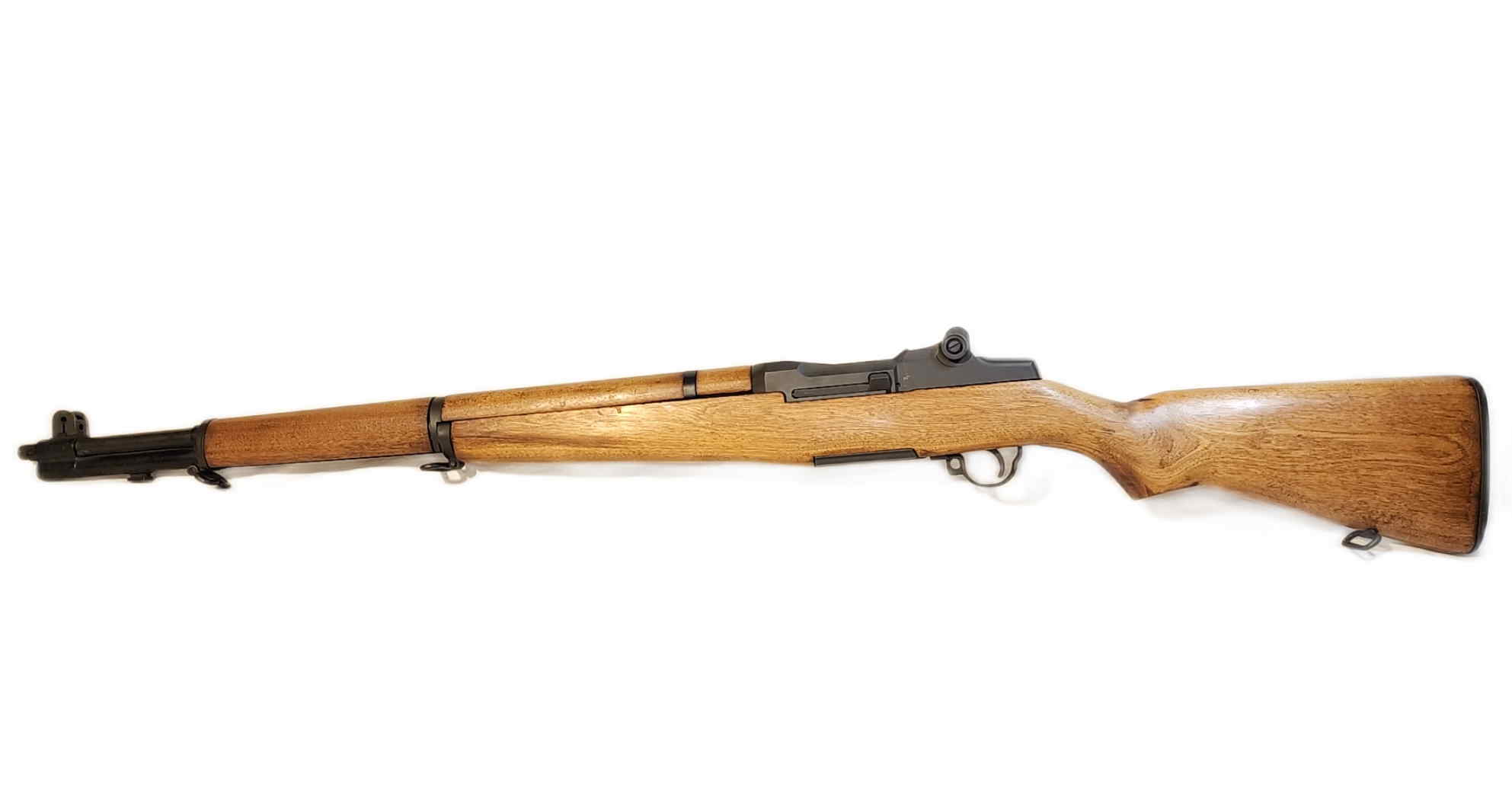
M1 Garand
Receiver heel markings, serial number ranges, barrel dates, drawing numbers, and rebuild clues.
-
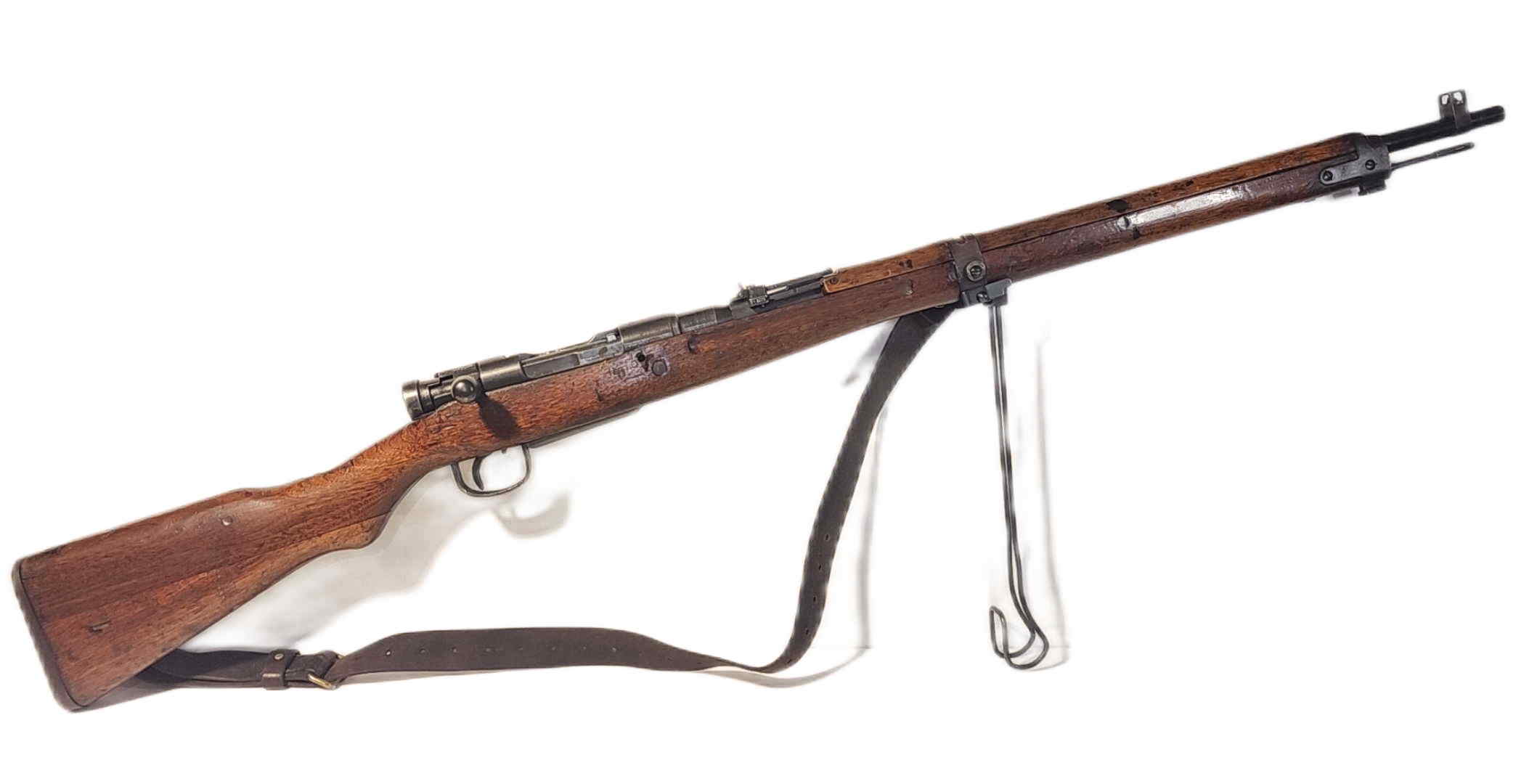
Arisaka Type 99
Chrysanthemum status, arsenal and series marks, serial placement, and early to late-war features.
-
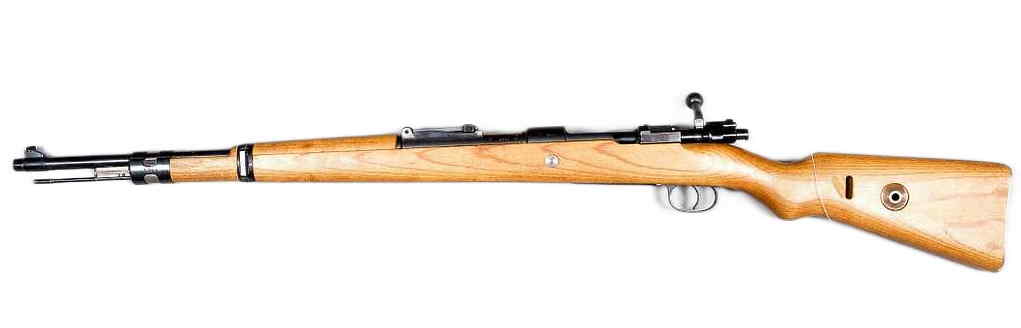
Mauser K98k
Codes, dates, acceptance marks, stock features, and common refurbishment indicators.
-
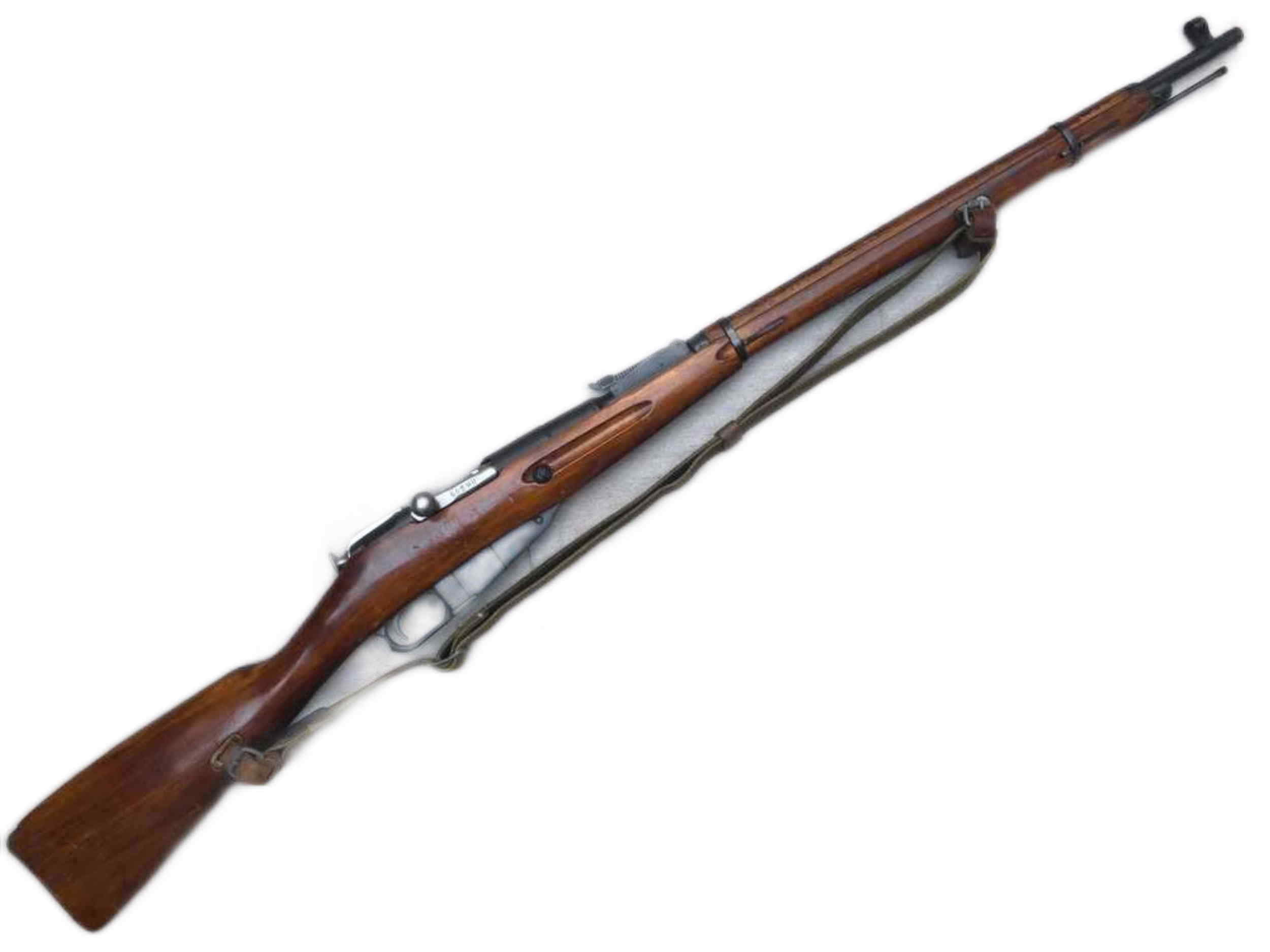
Mosin-Nagant
Imperial and Soviet markings, arsenal dates, refurb clues, and major rifle-family differences.
-
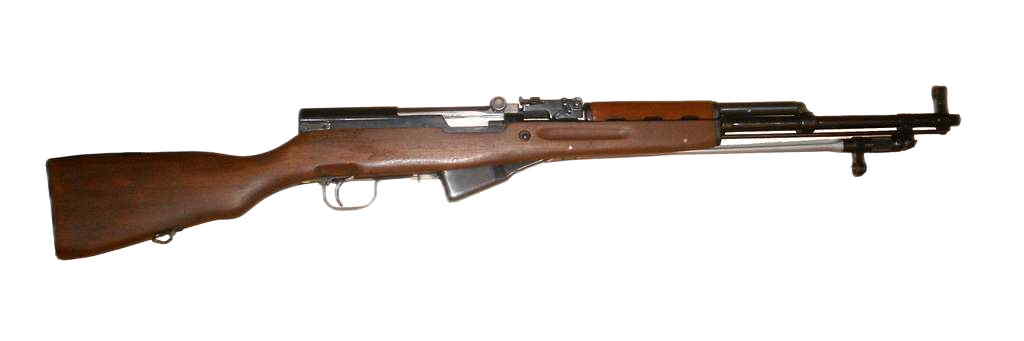
SKS
Country of origin, factory symbols, receiver details, stock markings, and import-era variations.
-
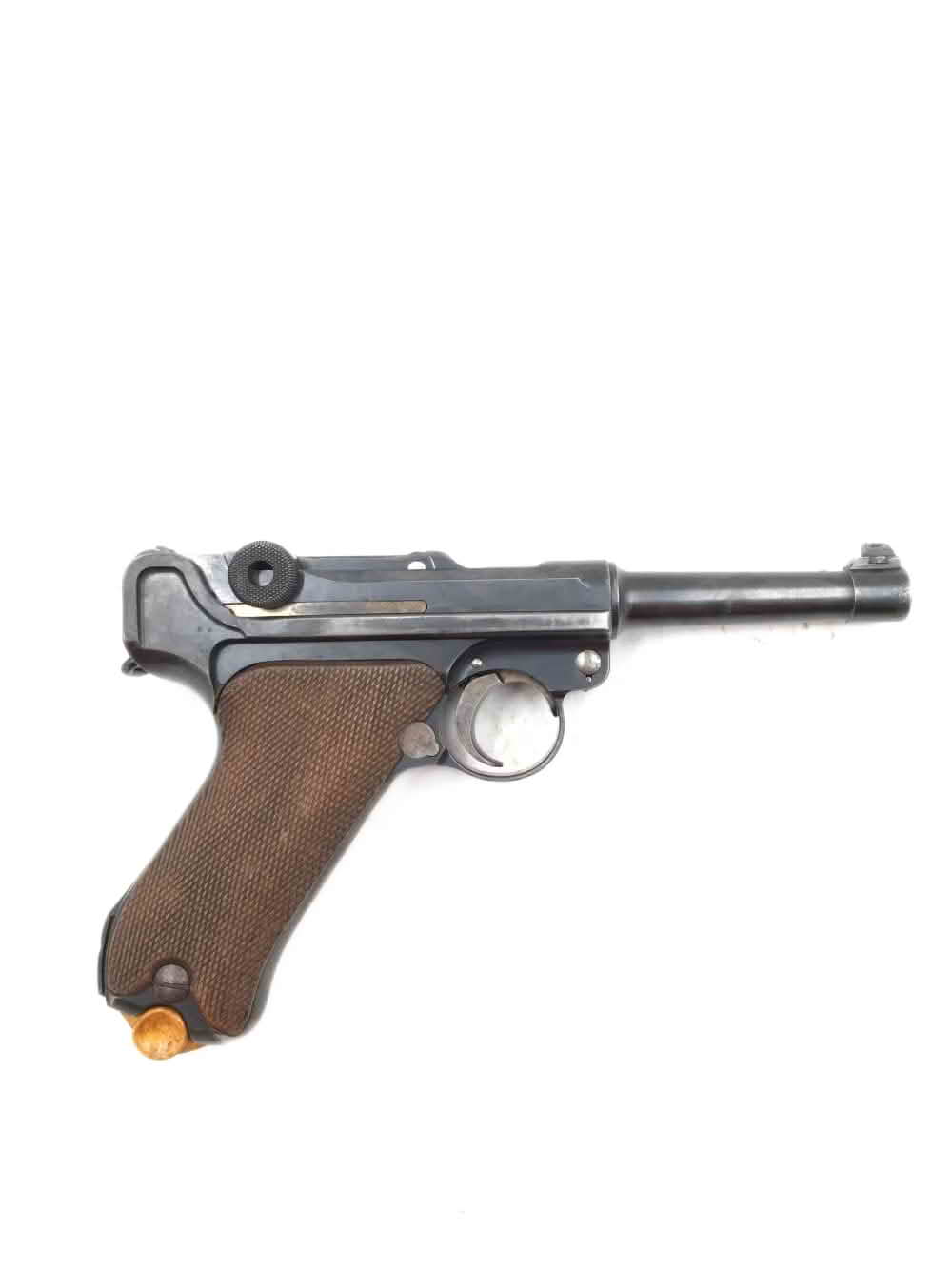
Luger P08
Toggle markings, chamber dates, proof marks, military and commercial variations, and matching parts.
-
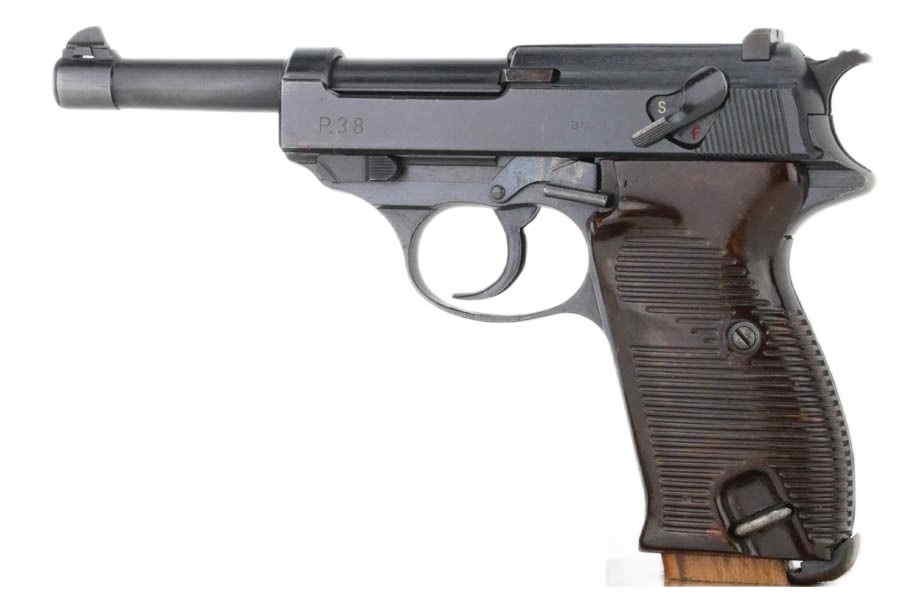
Walther P38
Maker codes, wartime variations, serial blocks, proof marks, and postwar clues for Walther, Mauser, and Spreewerk pistols.
-
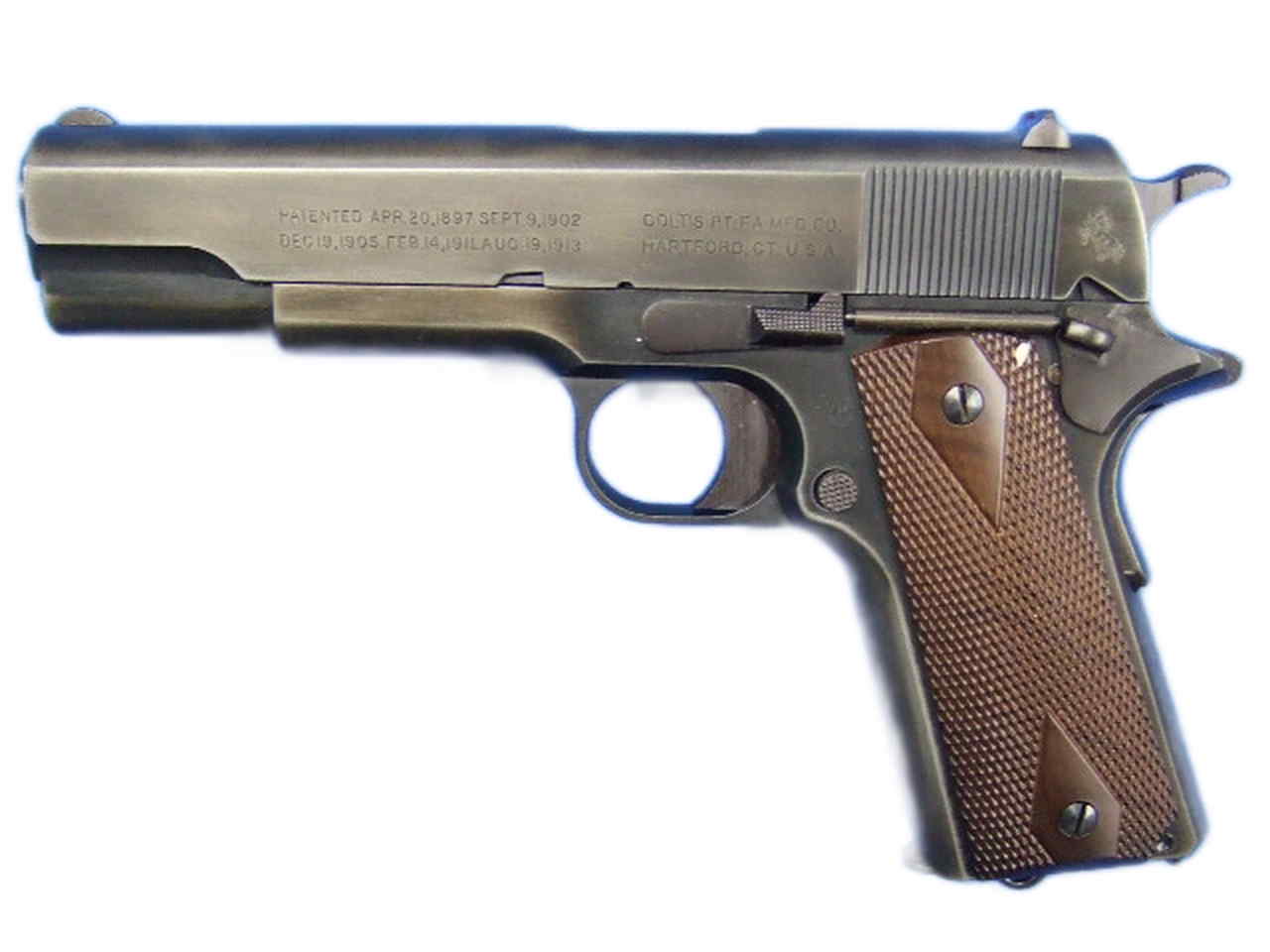
M1911 / M1911A1
Frame serials, inspection marks, slide legends, maker differences, and WWI to WWII clues.
-
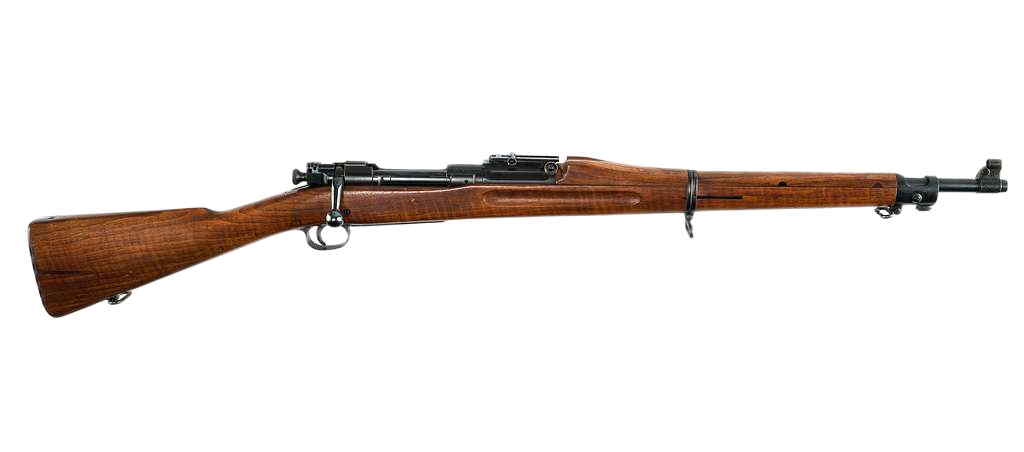
Springfield Model 1903
Low and high-number receiver ranges, sight configurations, inspection marks, and major variants.
-
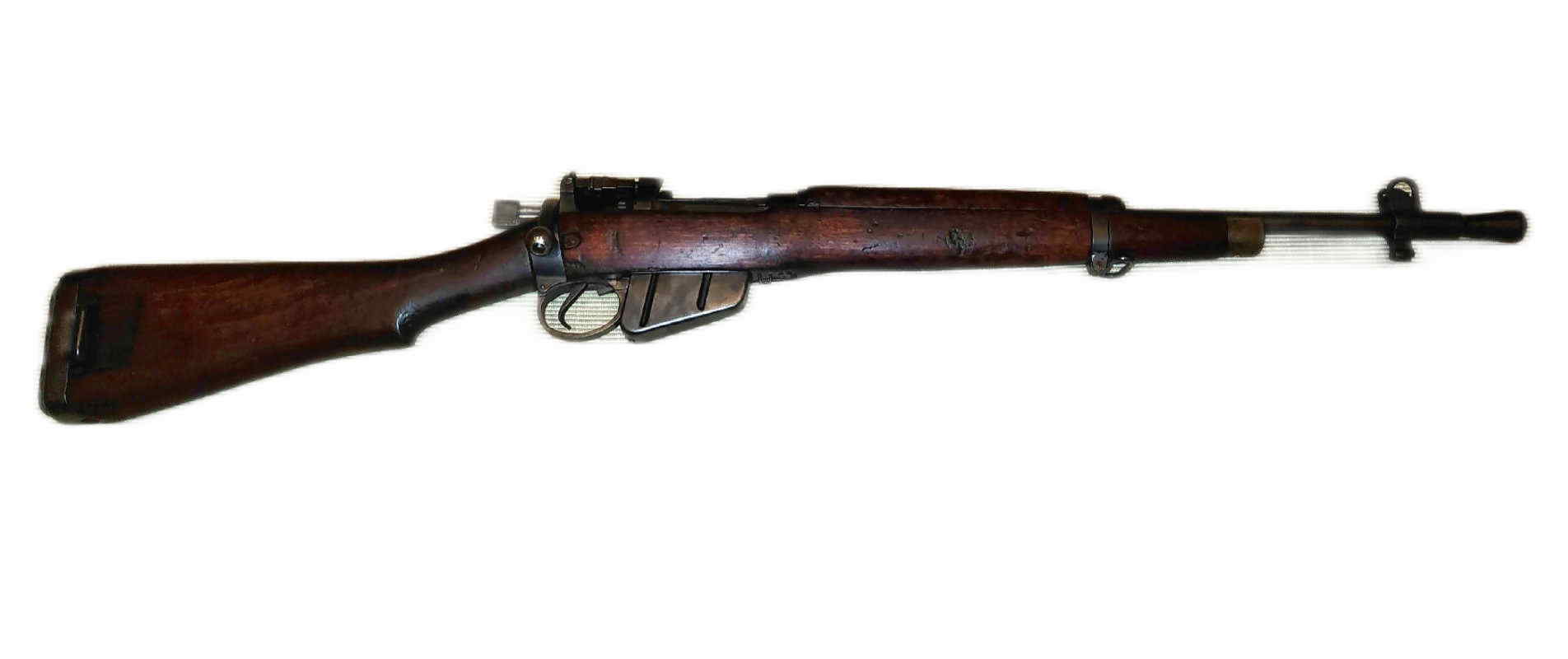
Enfield Rifles
Quick distinctions and dating clues for No. 1, No. 3, No. 4, and No. 5 pattern rifles.
-

Martini-Henry
Mark I-IV identification, maker and issue markings, receiver and lever differences, and carbine or conversion clues.
-
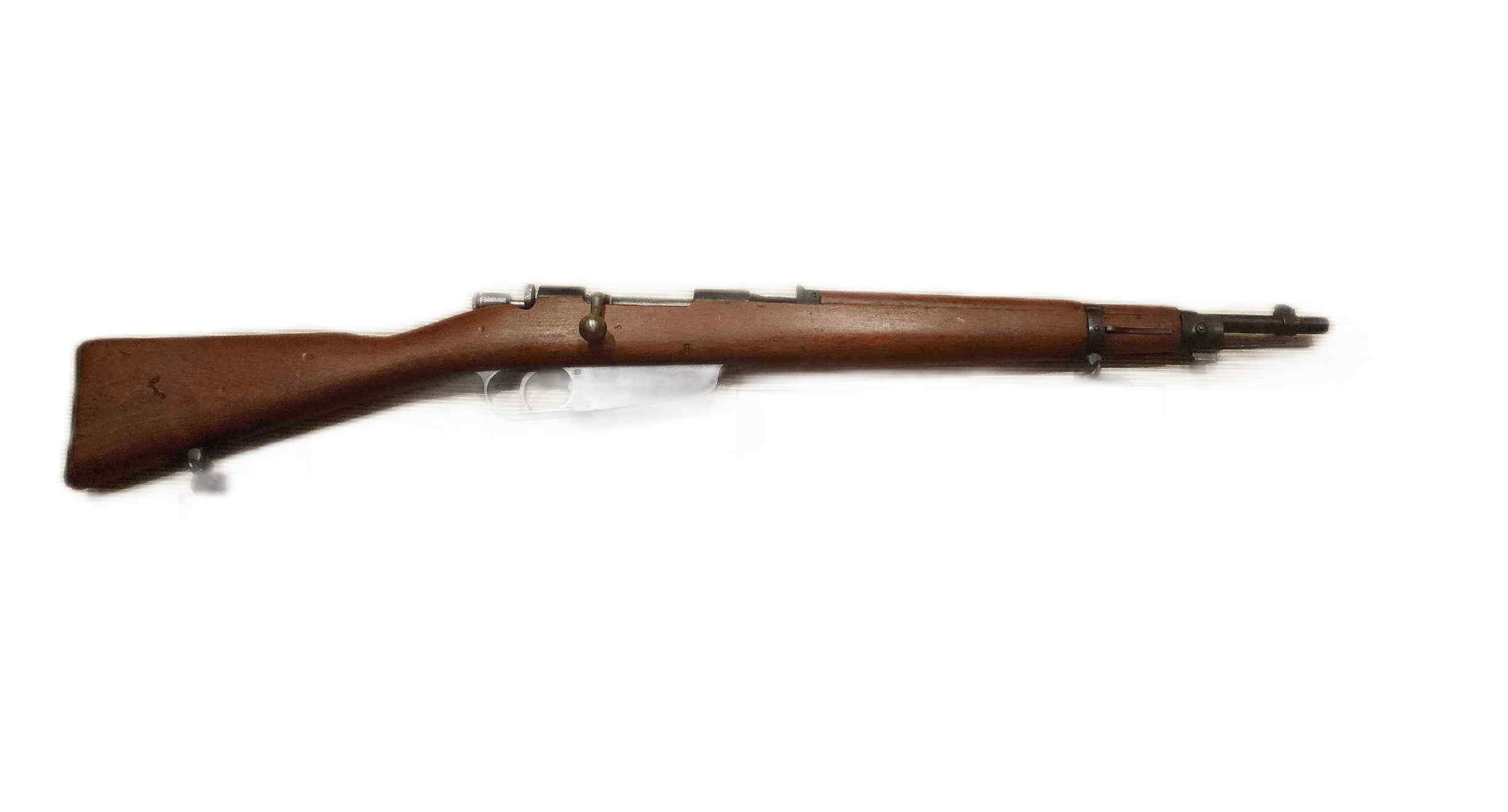
Carcano Rifles
Nomenclature, variants, calibers, maker markings, production years, and specification grids for the major Carcano rifle and carbine types.
-
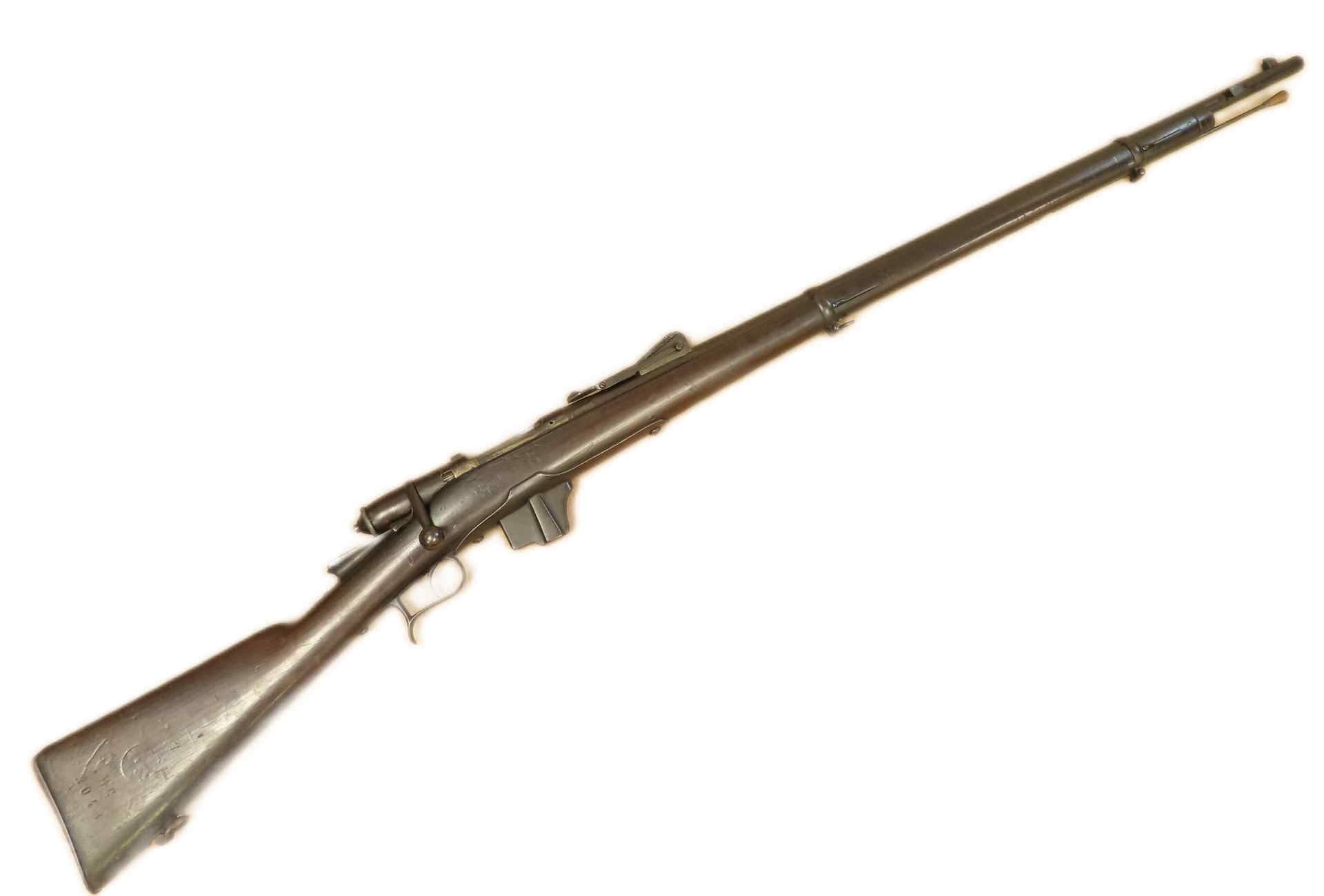
Italian Vetterli
M1870, M1870/87, and M1870/87/15 identification, arsenal cartouches, conversions, and model-family differences.
-
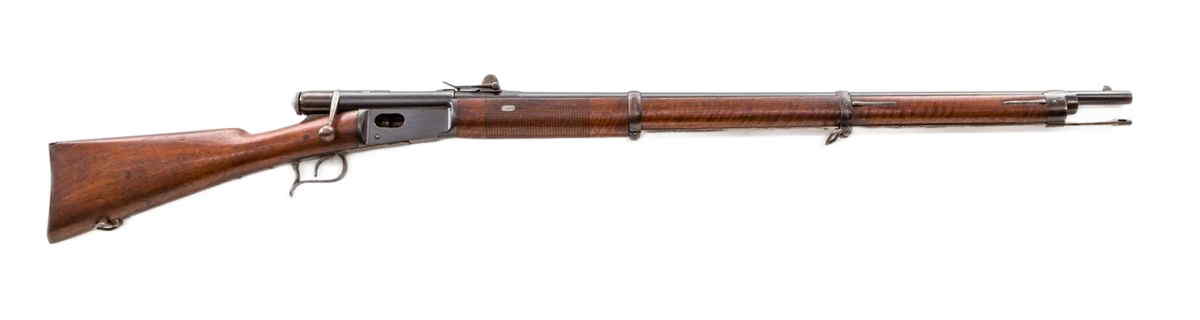
Swiss Vetterli
Model 1869 through 1881 distinctions, maker markings, serial habits, sight changes, and early versus late receiver clues.
-
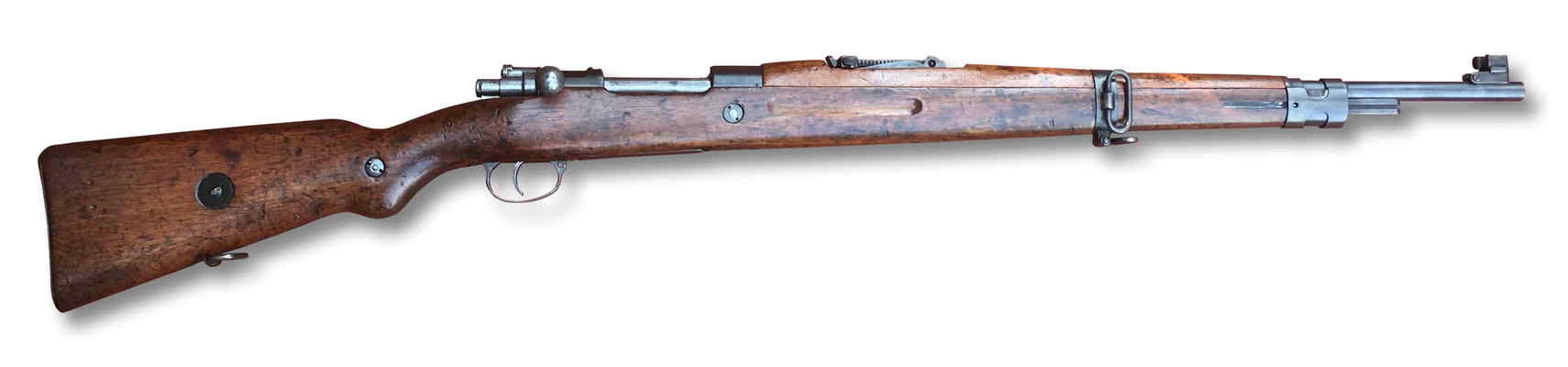
Vz. 24
Czech and export markings, lion crests, German occupation clues, and the main features that separate the vz. 24 family.
-
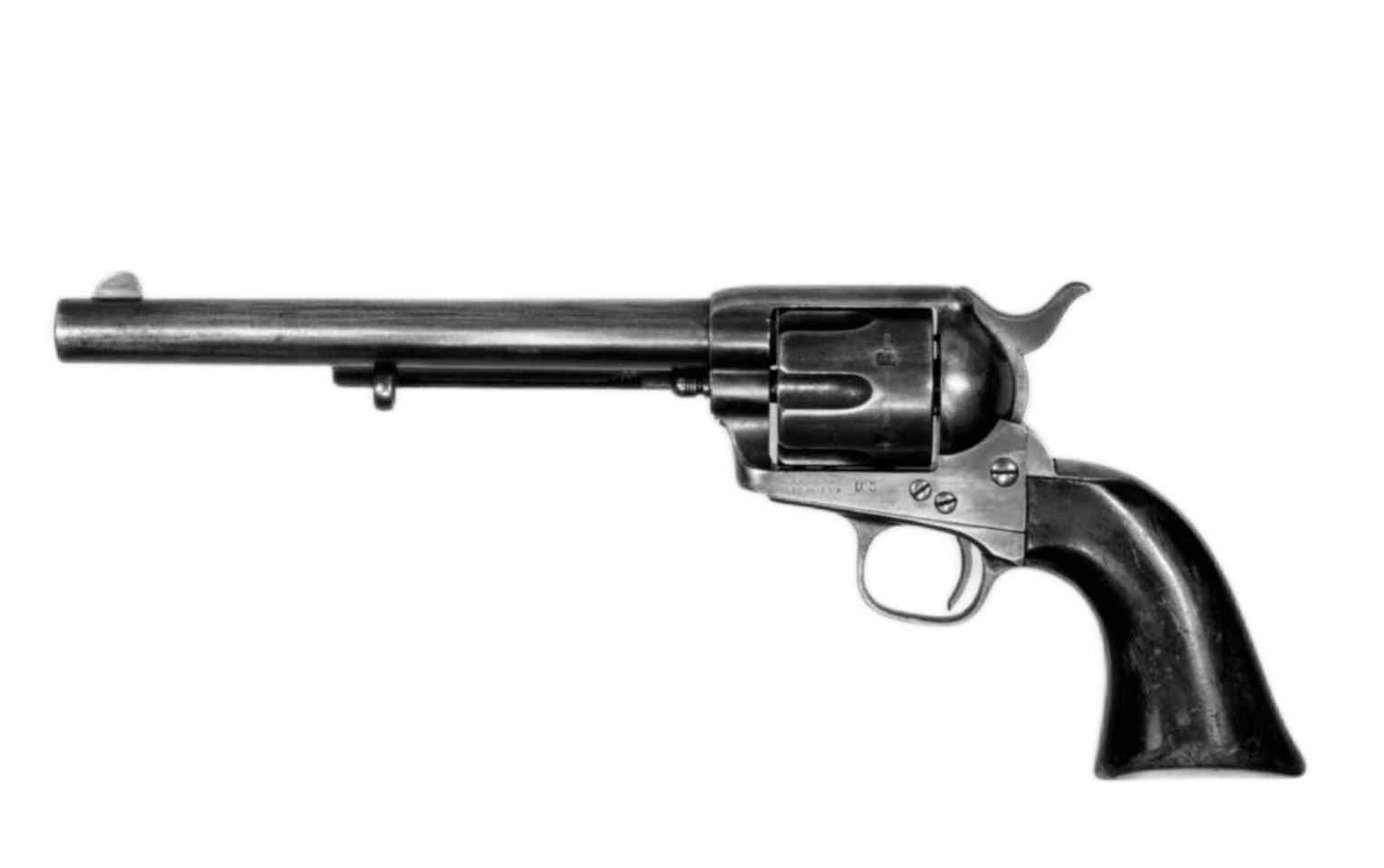
Colt Single Action Army
Serial ranges, generation differences, barrel and frame markings, and finish-era clues.
-
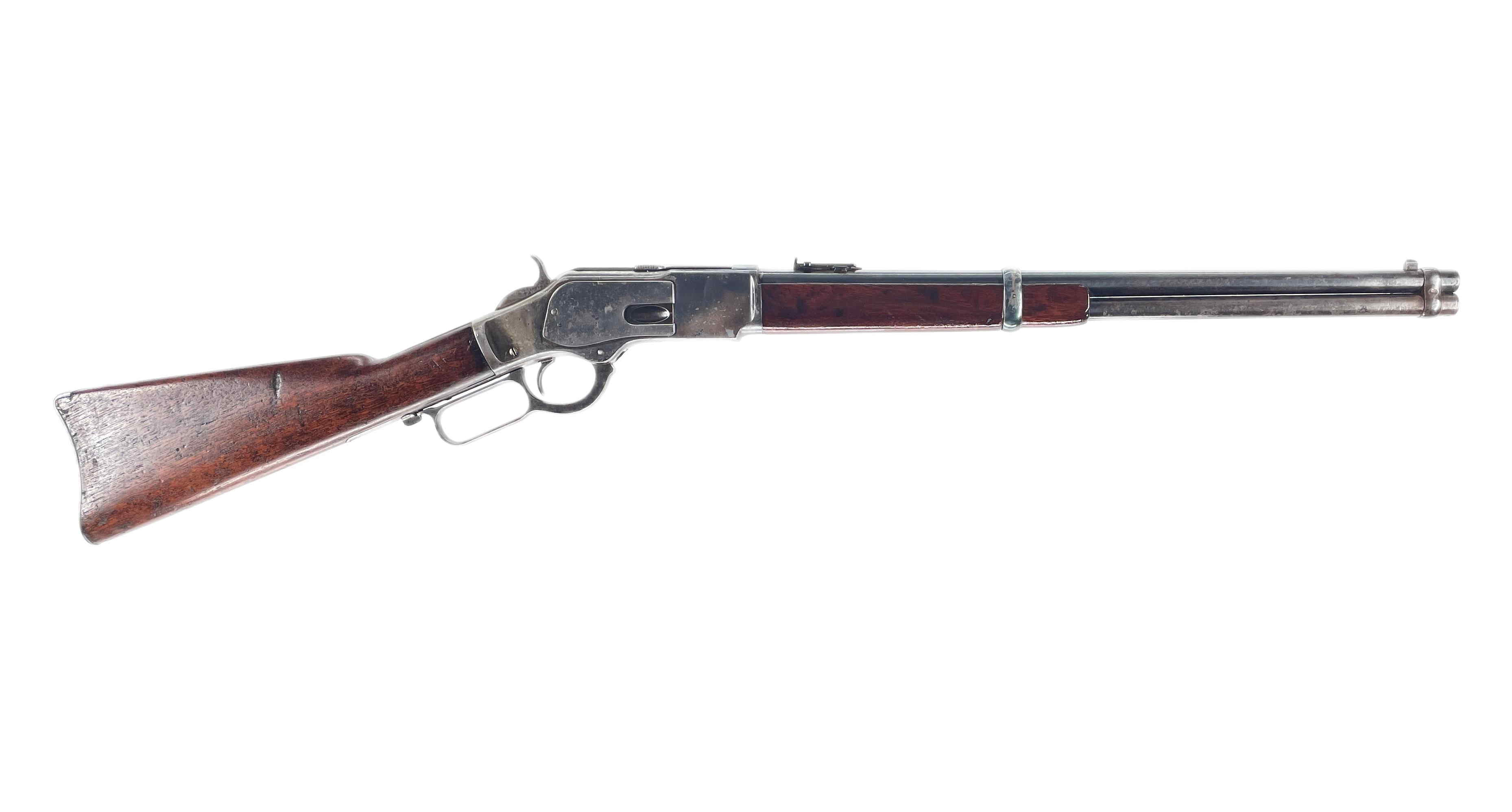
Winchester Model 1873
Serial dating, barrel address changes, caliber markings, and configuration details.
-
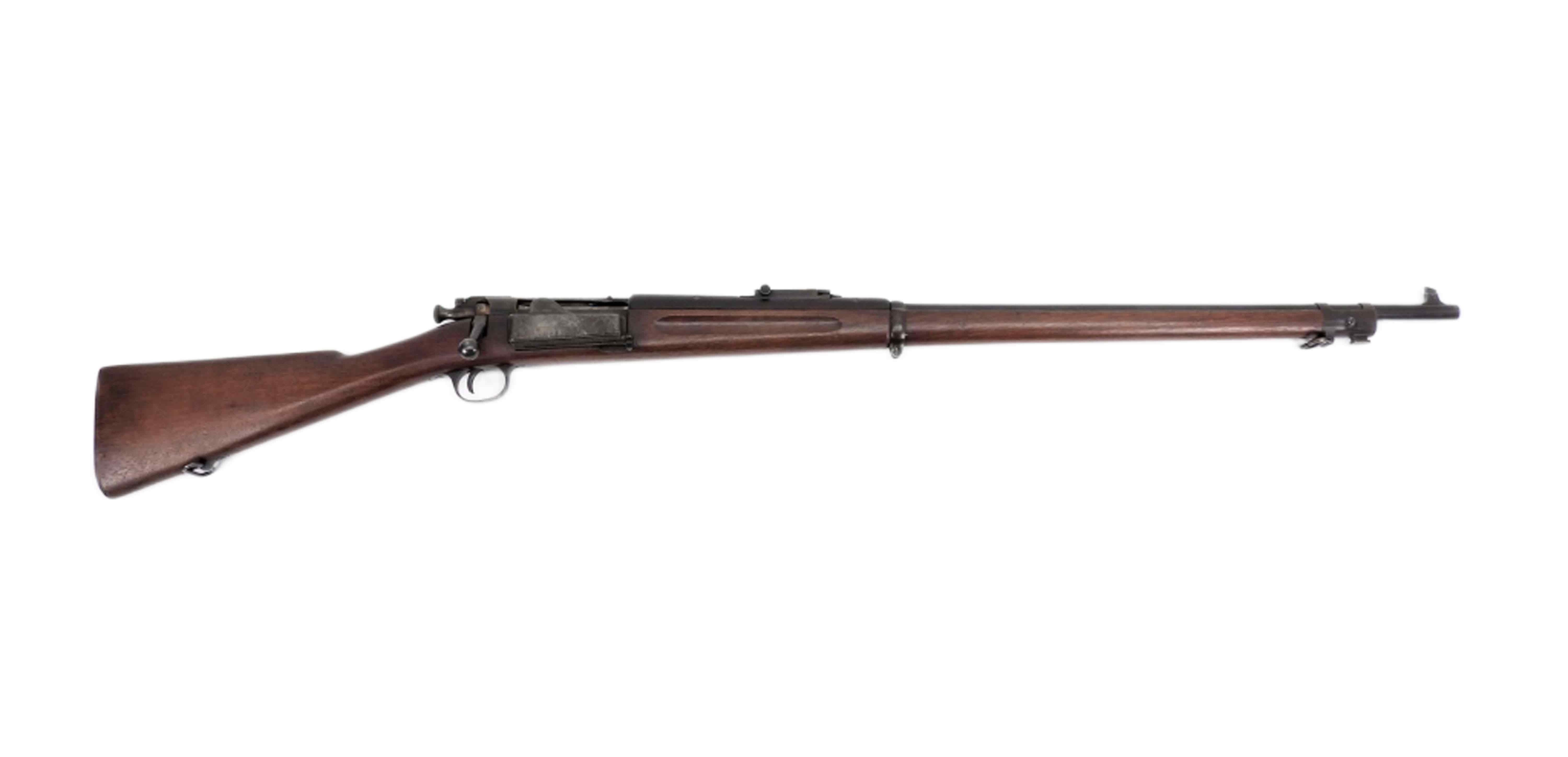
Krag-Jørgensen
Model differences, Springfield serial ranges, stock cartouches, and period features.
-
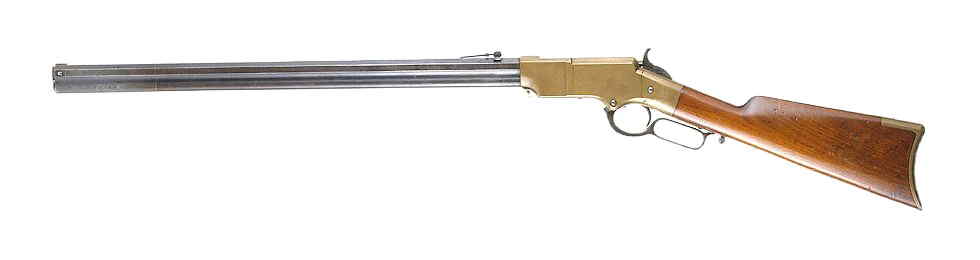
Henry Rifle
Brass frame characteristics, serial placement, Civil War era production notes, and identification details.
-
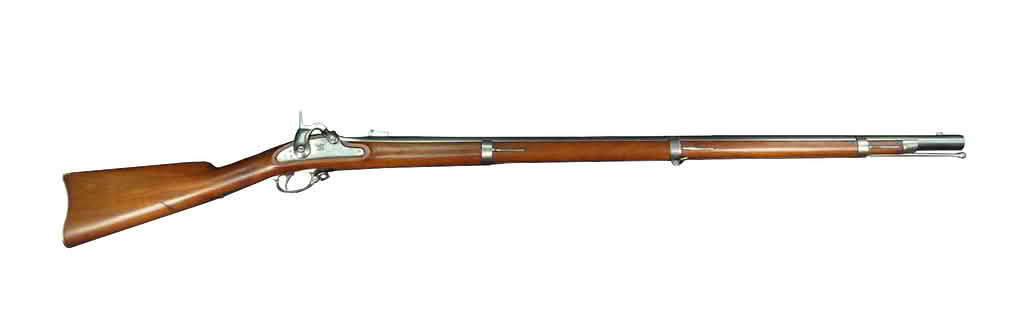
Springfield Model 1861
Lockplate dates, inspector marks, contractor versus armory production, and Civil War era context.
Collector Essays & Historical Fiction
Collector essays, short research notes, and historical fiction.
Browse Writings & Historical Fiction