Soviet SSh-40 Steel Helmet – CT-58 (1958)
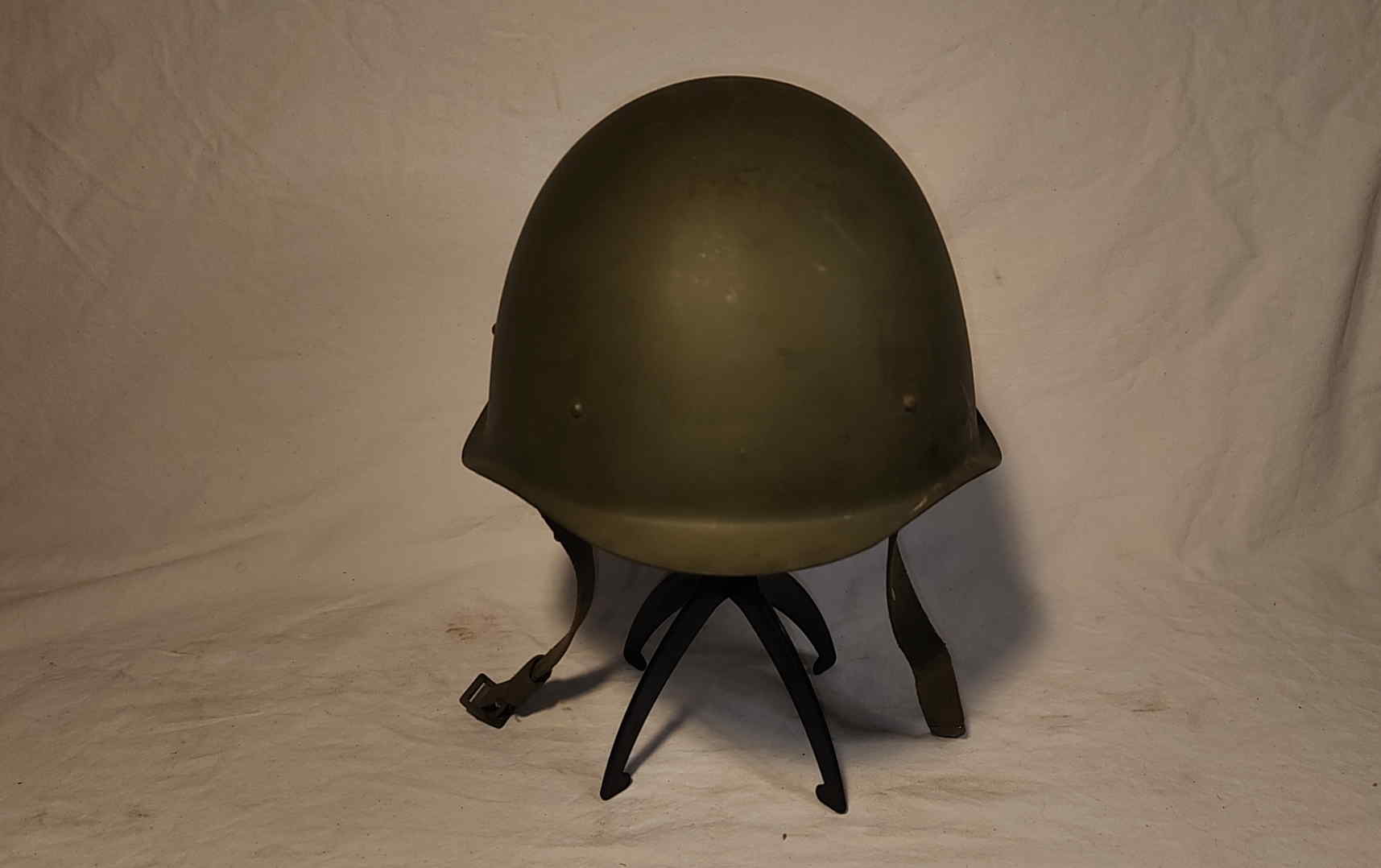
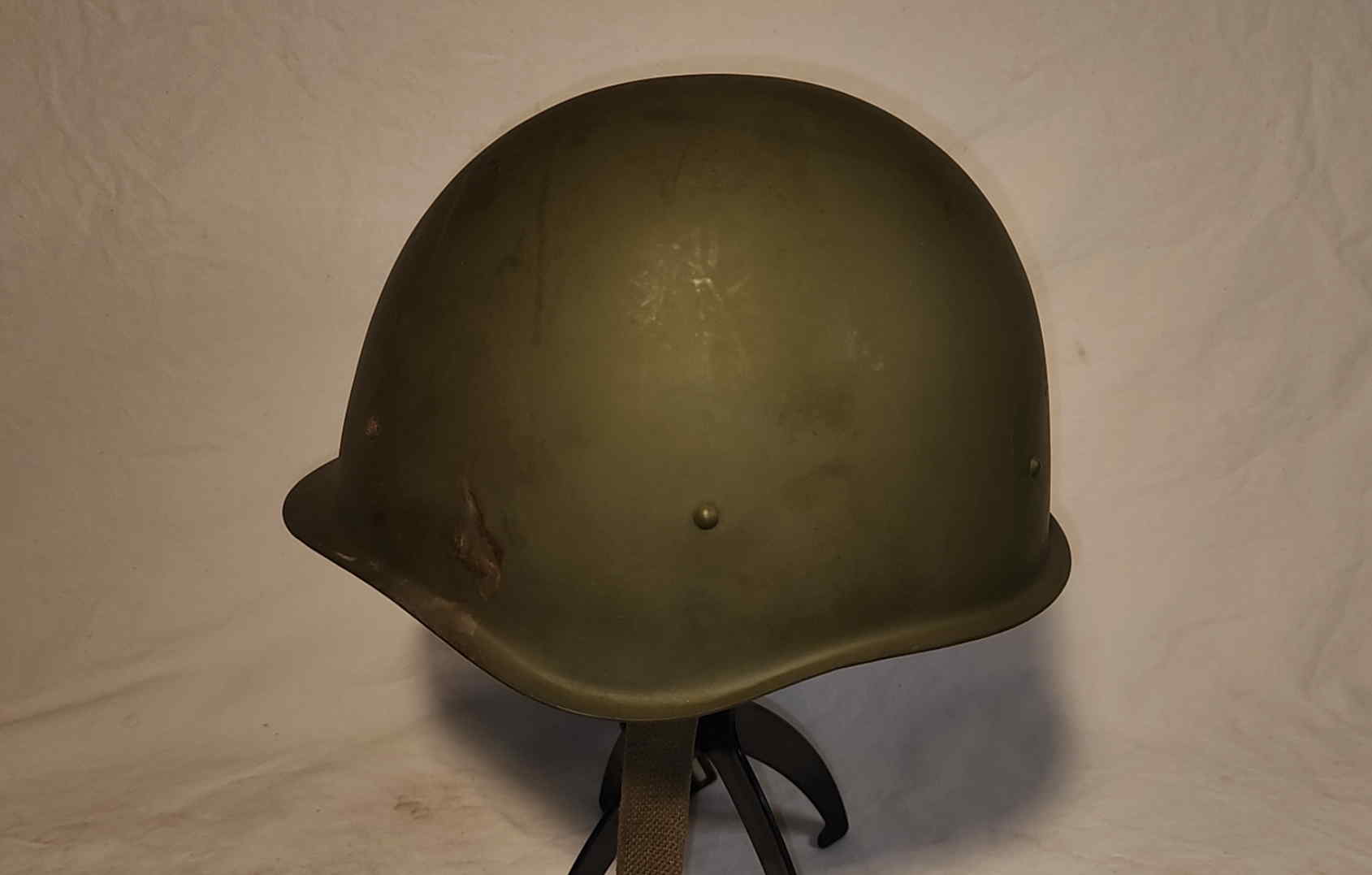
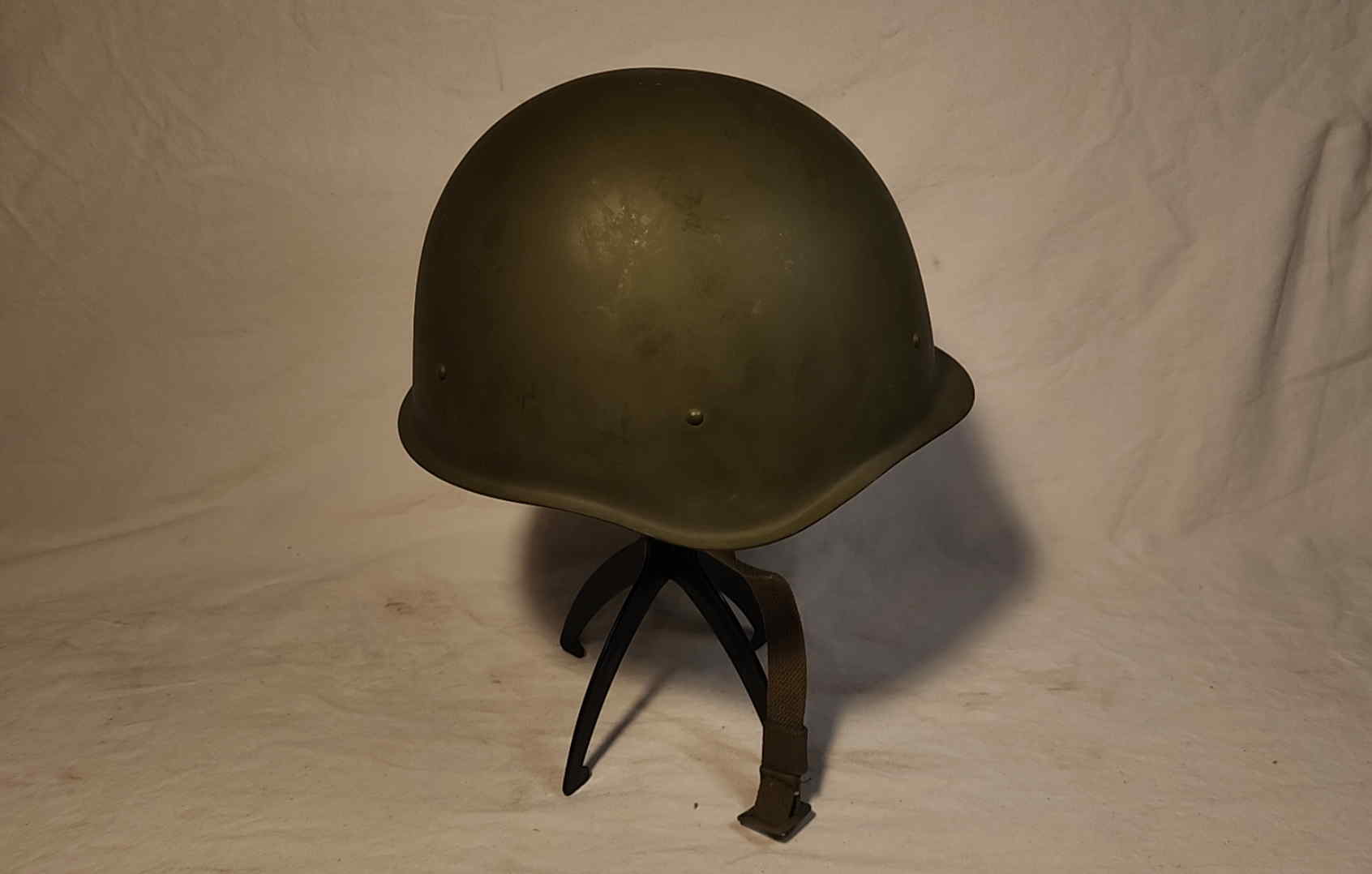
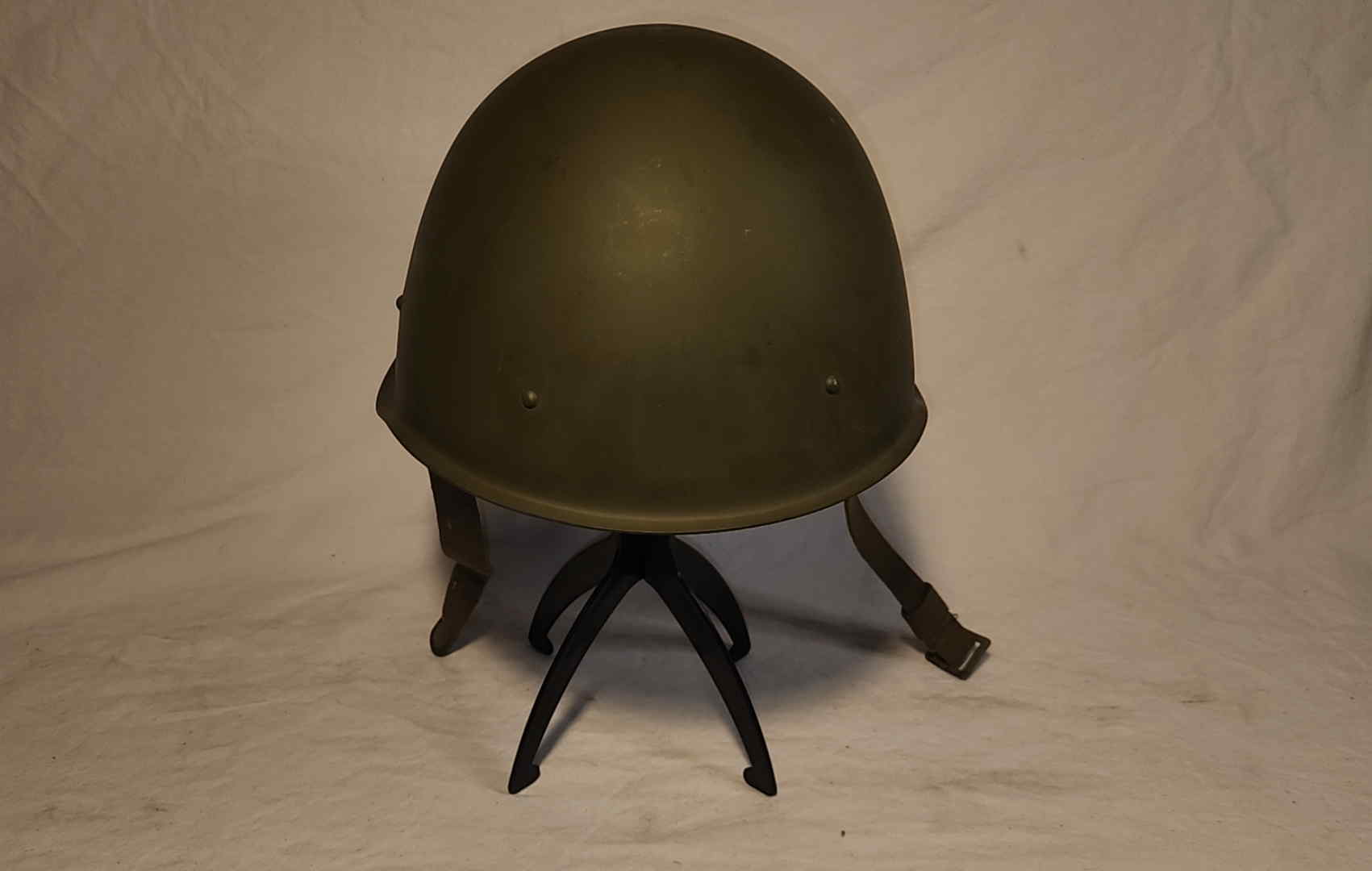
Cold War-era SSh-40 pattern helmet with documented factory/date stamp, size and steel lot markings, three-pad waxed cloth/leatherette liner, and web chinstrap.
Images
Specifications
| General Information | |
|---|---|
| Model | Soviet SSh-40 steel helmet (Стальной шлем образца 1940 года) |
| Country | Soviet Union (USSR) |
| Era | Cold War production, dated 1958 |
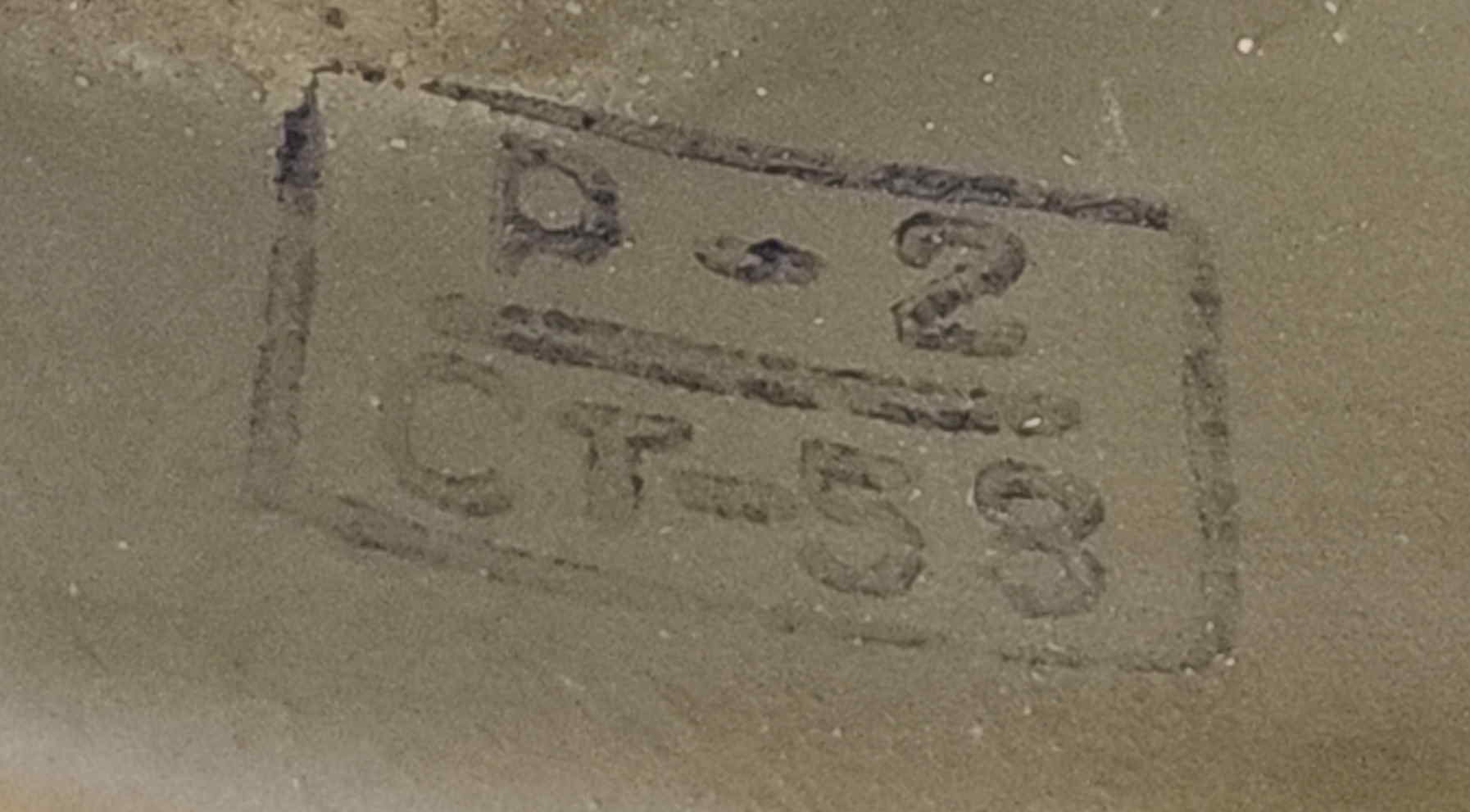
| Factory / Date Mark | “CT-58”, Zavod Krasniy Oktyabr (Krasny Oktyabr, “Red October”) 1958. |
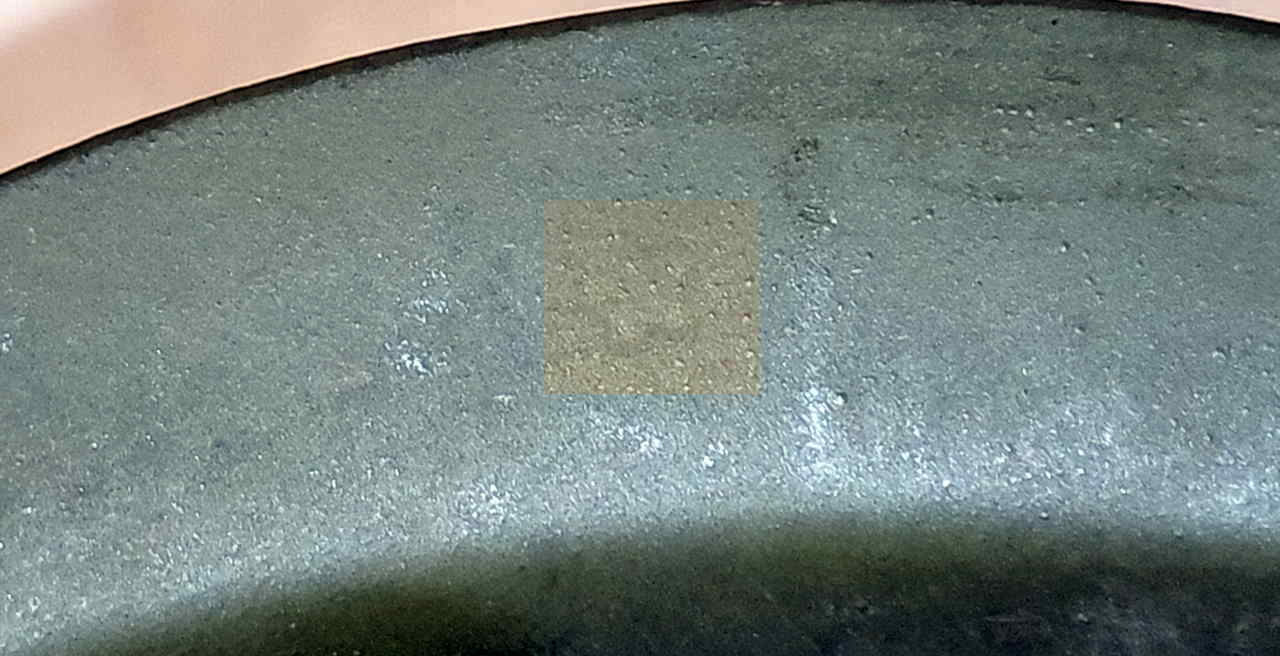
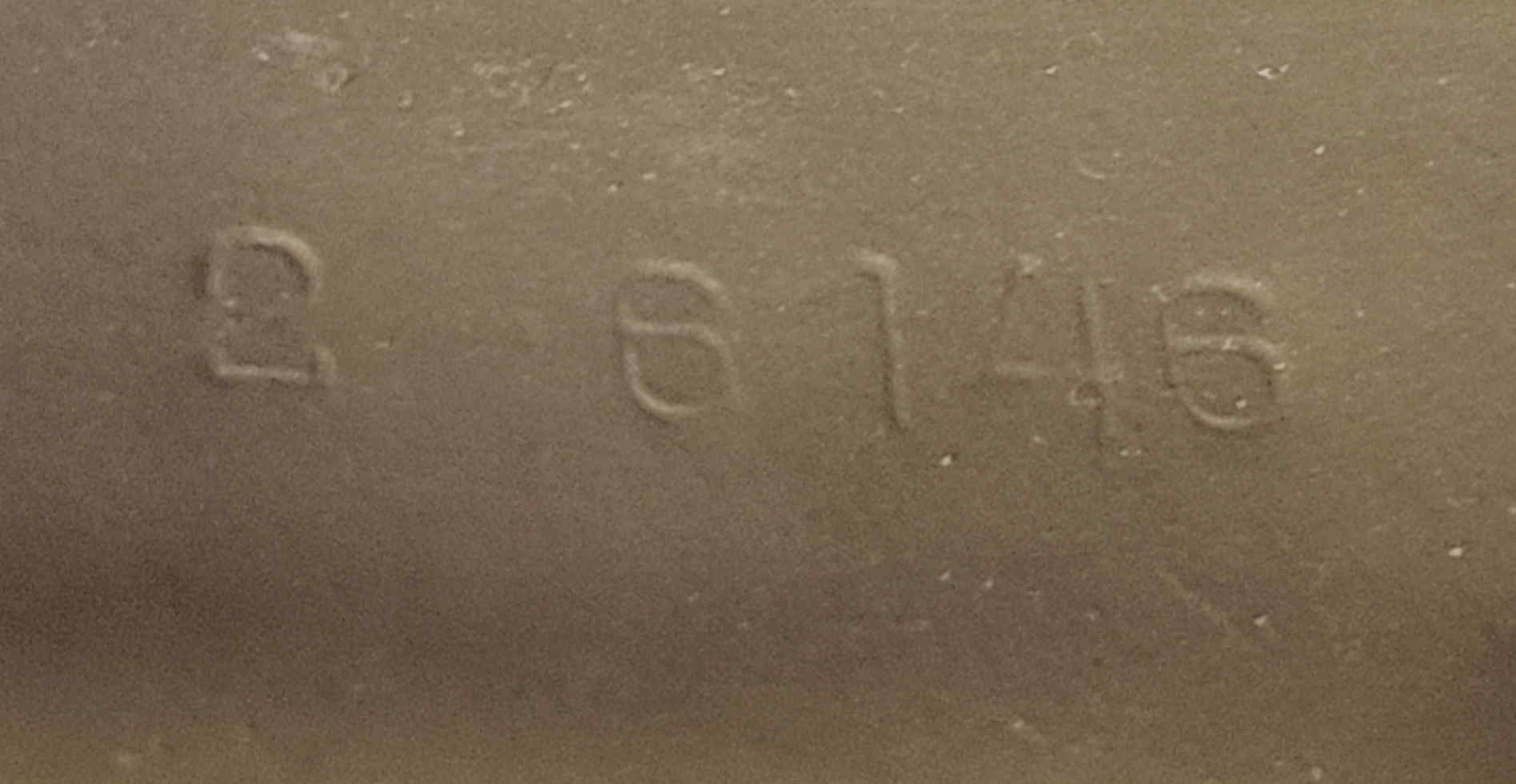
| Size / Steel Lot | Embossed “2 6146” at rear skirt (size 2, steel lot 6146) |
| Ballistic Acceptance | Faint five-point star stamp under the visor |
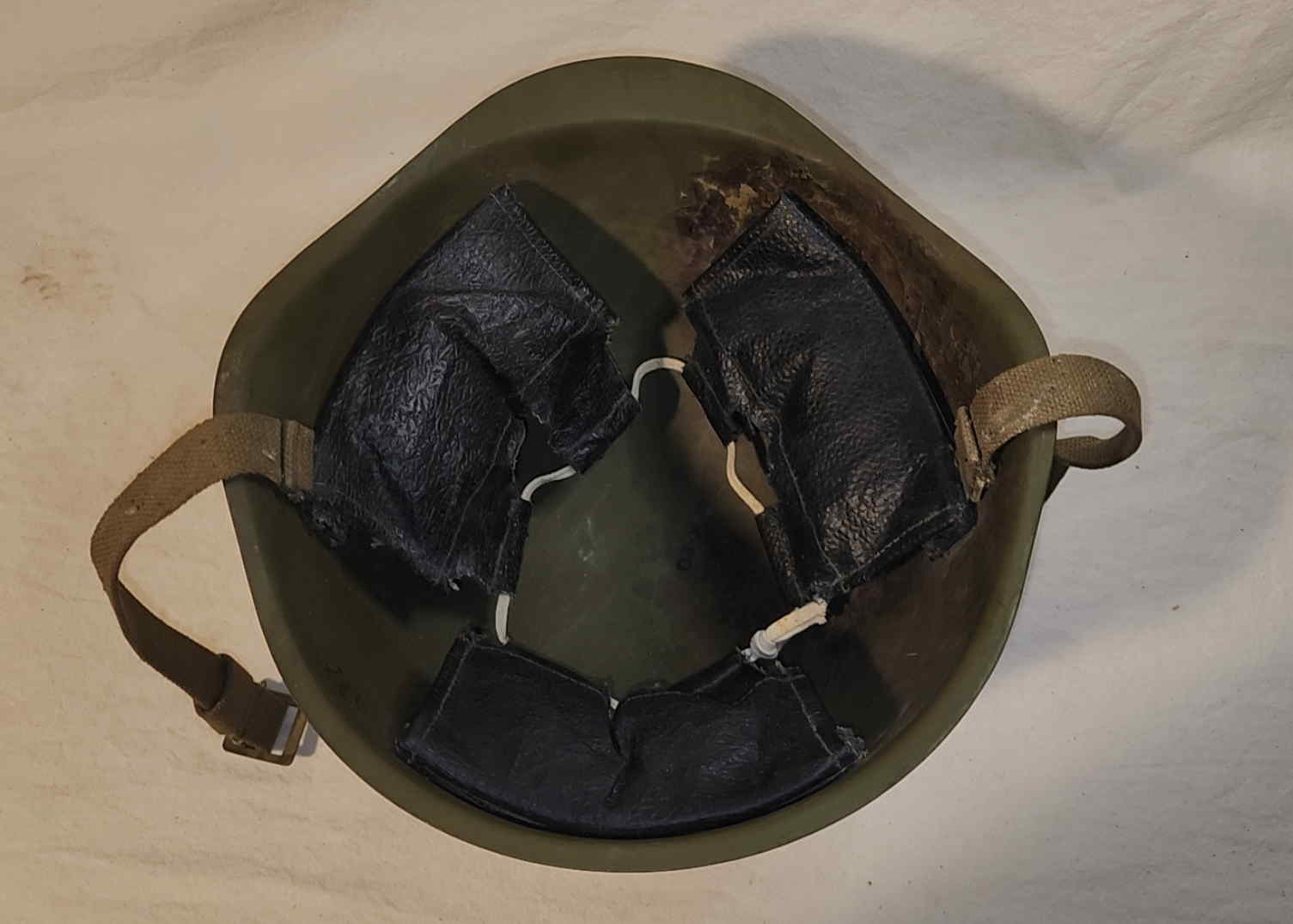
| Liner | Three-pad liner in waxed cloth/leatherette with drawstring crown |
| Chinstrap | Two-piece khaki web strap with sliding buckle adjustment |
| Finish | Olive green service paint |
| Condition | Service wear with scattered scuffs, minor paint loss, and localized oxidation; liner and strap intact |
| Restoration | None. Documented as found. |
Historical Summary
The Soviet SSh-40 (steel helmet model 1940) became the standard Red Army helmet during the Second World War and continued in production into the postwar period. Its recognizable shell profile and simple, durable liner system made it well suited for mass issue, long storage, and repeated reissue across decades of Cold War service.
While many postwar SSh-40 helmets closely resemble wartime examples, factory and inspection markings often provide the best clues for dating. This helmet carries a postwar style factory/date stamp and an embossed size and steel lot number, supporting a 1958 production date.
Markings and Dating
This helmet shows a combination of embossed (pressed into the steel) and ink-stamped markings. The primary dating feature is the rectangular stamp with “CT-58”, where the two-digit number is consistent with a 1958 production year. The embossed rear stamp “2 6146” indicates size 2 and a steel sheet/lot number.
- Rectangular ink stamp: top line “P-2”, bottom line “CT-58” (size notation and factory/date mark, 1958).
- Embossed rear stamp: “2 6146” (size 2 and steel lot number).
- Under-visor stamp: faint five-point star (ballistic acceptance / certification mark).
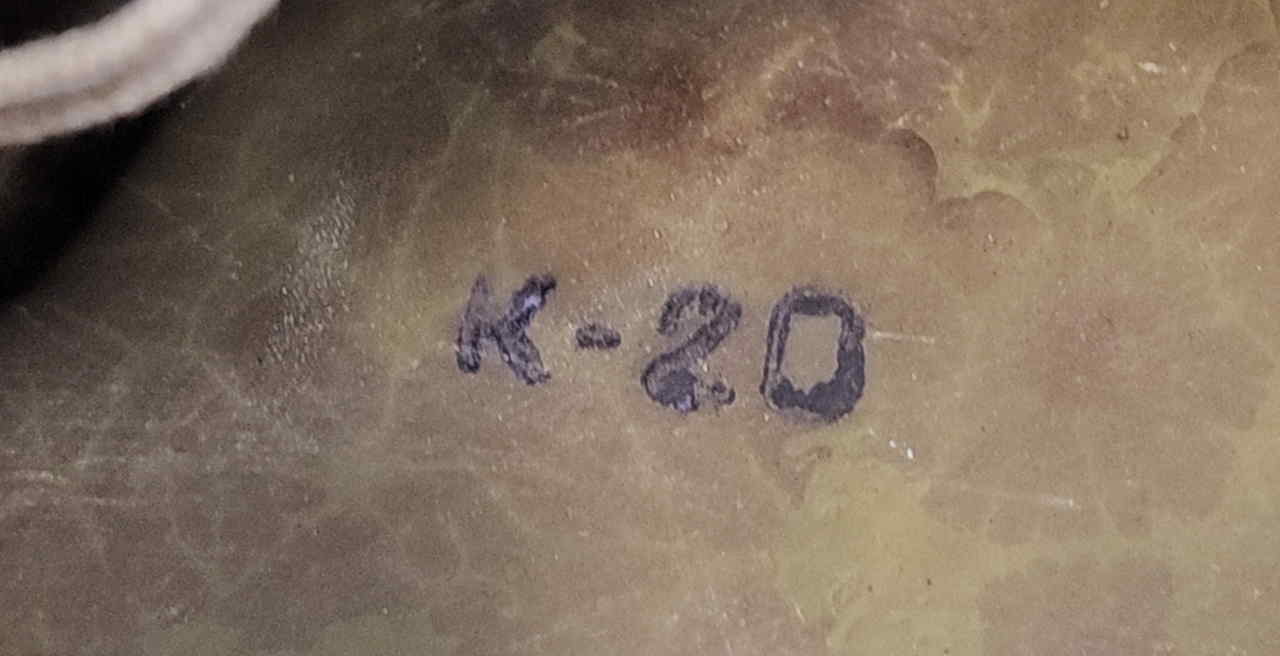
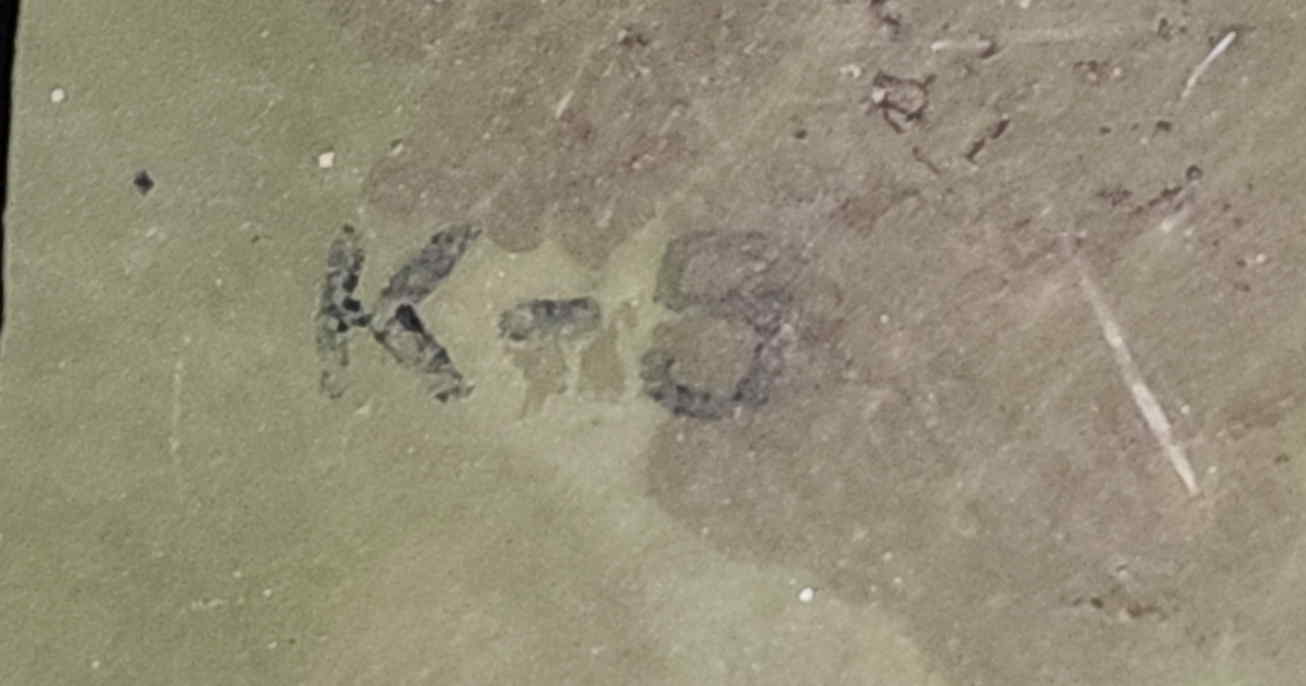
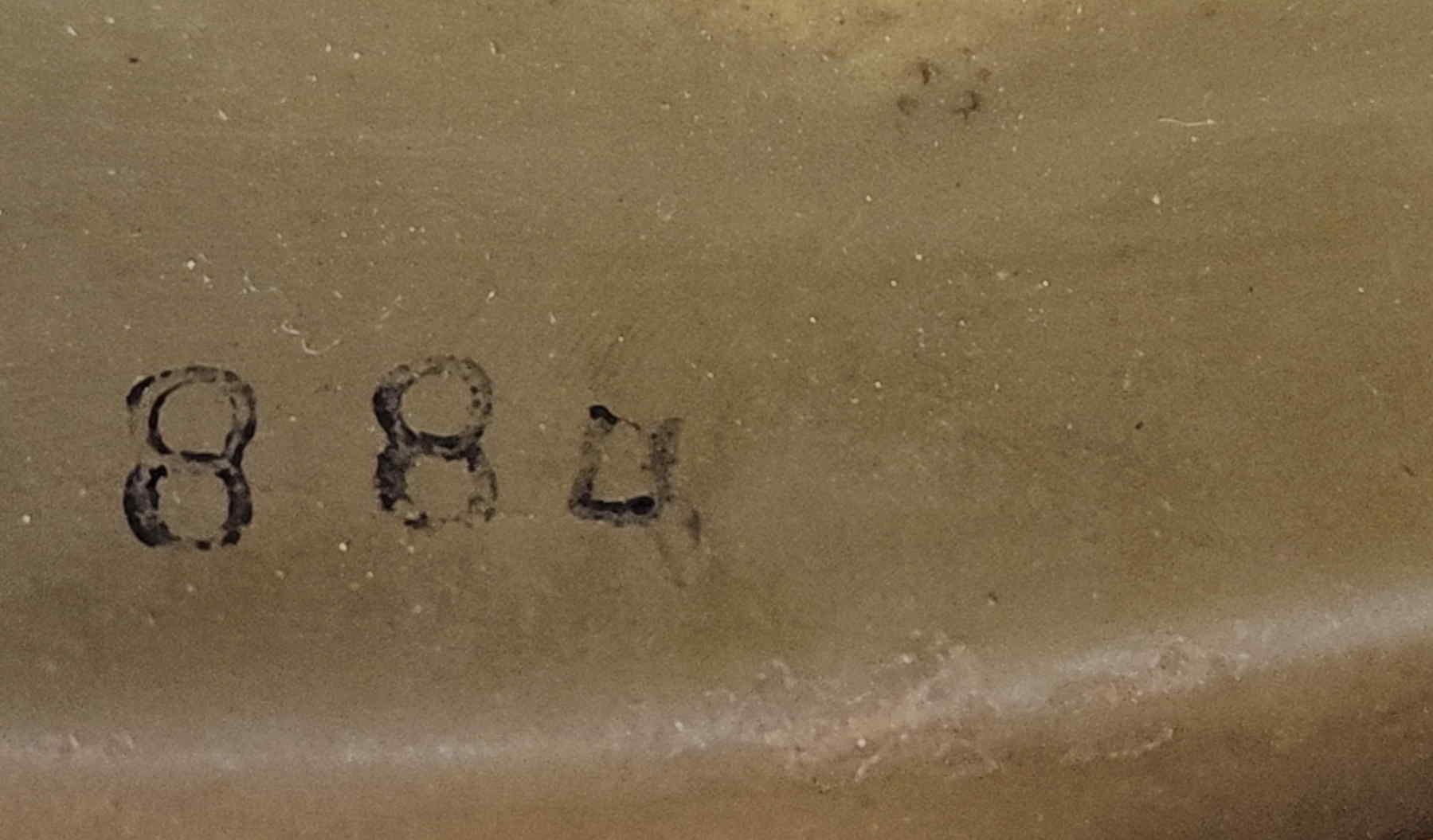
- Internal control stamps: “K-20”, “K-5”, and “8 84” (inspection, control, or depot inventory marks).
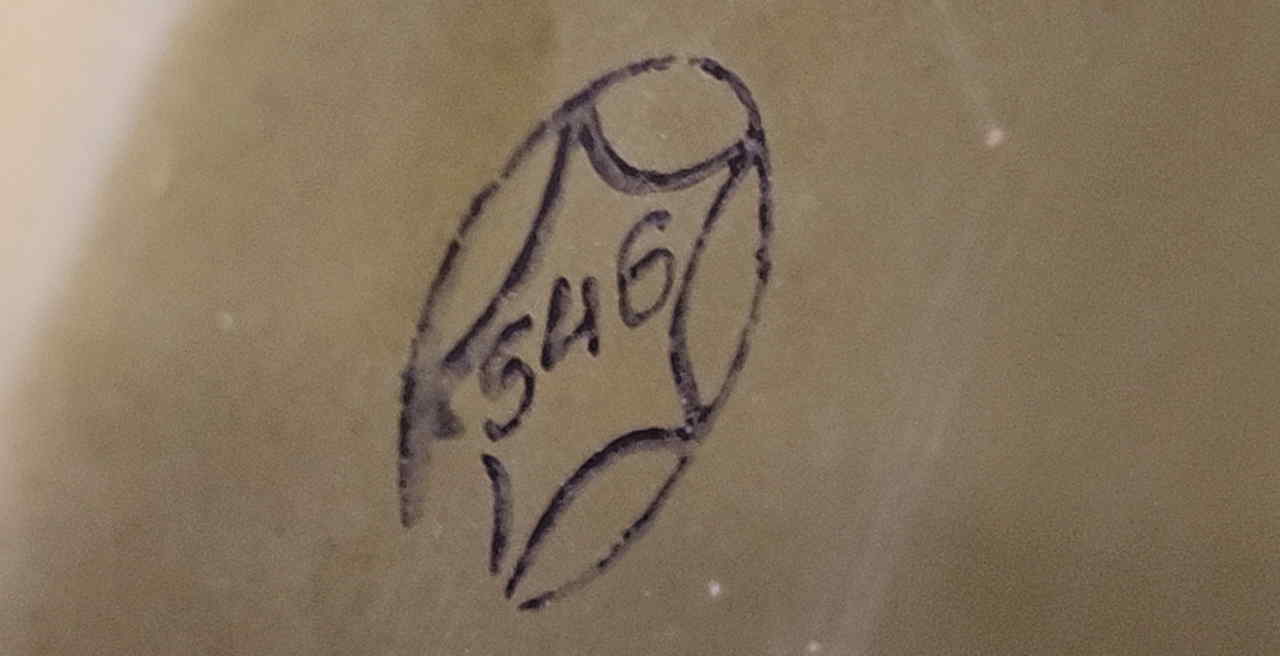
- Hand-applied notation: “5H6” with star motif (internal control or inventory mark).
Some internal stamps can be difficult to interpret with certainty because they vary by factory, depot, and refurbishment cycle. For collectors, the value is in documenting what is present and preserving the original finish and liner system that carries those marks.
Liner and Chinstrap
The liner is the classic SSh-40 three-pad arrangement. Each pad is made from waxed cloth or leatherette and ties into a drawstring system at the crown, allowing the fit to be adjusted. The chinstrap is a two-piece khaki web strap with a sliding buckle, typical for this pattern during postwar production and reissue.
Finish and Condition
The helmet retains an olive green service finish with visible wear consistent with storage and handling. The helmet shows scattered scuffs, minor paint loss, and localized oxidation on one side. The liner and chinstrap appear intact and serviceable with normal age-related creasing and surface wear.
Collector Notes
Cold War SSh-40 helmets are collectible in their own right, especially when the factory/date stamp is present and clear enough to document. This example is a strong reference piece because it combines a readable “CT-58” stamp with the embossed size and lot marking and the faint under-visor acceptance star.
For differentiation, later Soviet patterns such as the SSh-60 and SSh-68 use different shell shapes and liner systems. The SSh-40 shell form, three-pad liner, and the marking style seen here support the identification as an SSh-40.
Provenance
Relics & Rifles collection. Acquired as a Soviet SSh-40 helmet and documented with photographed markings. No restoration performed.
References
World War Helmets (model overview and postwar marking examples): SSh-40 coverage and marking guides were used for general context alongside the observed markings on this helmet.