Japanese Arisaka Type 38 Muzzle Cover (Russian Depot Marked)
Japanese Arisaka Type 38 Muzzle Cover (Russian Depot Marked)
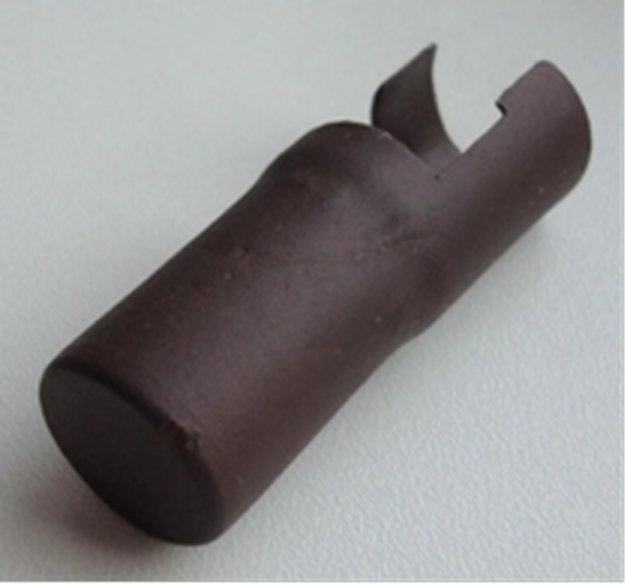
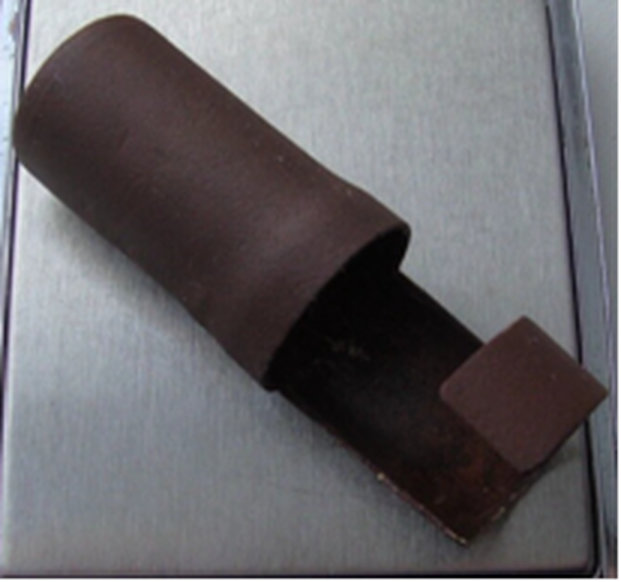
Original Japanese muzzle cover for the Arisaka Type 38 rifle, later stamped with Cyrillic depot marks and recovered from Daugavpils in present day Latvia, reflecting Russian and Soviet reuse of Japanese small arms stockpiles.
Images
Specifications
| General Information | |
|---|---|
| Type | Muzzle cover / barrel cap |
| Country of Origin | Japan (original manufacture) |
| Later Use | Imperial Russian and Soviet depot use, indicated by Cyrillic markings |
| Intended Weapon | Arisaka Type 38 rifle, 6.5×50mmSR Japanese |
| Era | Manufactured in the early 20th century; Russian use from World War I through the Russian Civil War period. |
| Material | Stamped steel with aged patina |
| Finish | Originally blued; now showing honest wear and storage patina |
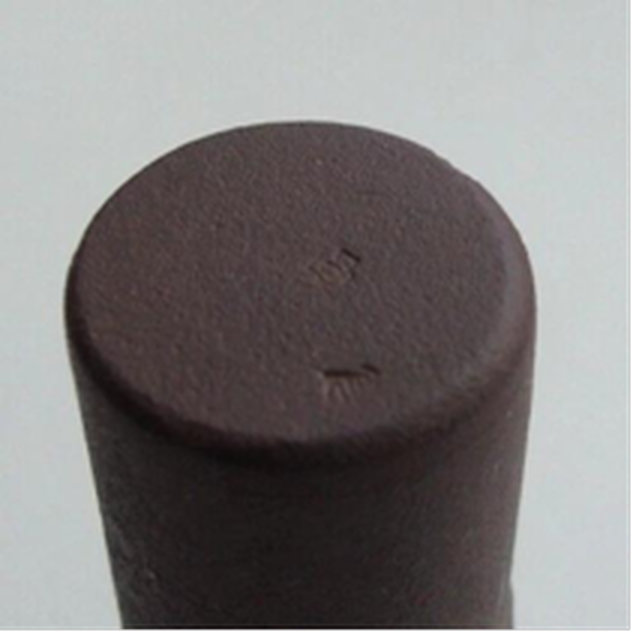
| Markings | Cyrillic Ш (Sha) depot or inspection mark; boxed З (Ze) arsenal or inventory stamp. |
| Origin of This Example | Daugavpils, Latvia (formerly Dinaburg), ex Russian / Soviet military stocks |
| Condition | Very good serviceable condition with clear Cyrillic markings and light edge wear consistent with long term storage and use. |
Historical Summary
This muzzle cover began life as a Japanese made accessory for the Arisaka Type 38 rifle, intended to keep moisture, mud and debris out of the bore during field use. Although designed for Imperial Japanese service, it later passed into Russian hands as part of a large scale transfer of Japanese small arms.
During World War I, the Russian Empire suffered serious shortages of modern rifles and turned to foreign suppliers to arm its rapidly expanding forces. Japan shipped more than six hundred thousand Arisaka rifles to Russia, primarily Type 30 and Type 38 models in 6.5×50mmSR. These rifles, along with spare parts and accessories, were issued to front line troops and rear area units, then remained in Russian depots into the early Soviet period. The Cyrillic Ш and boxed З markings on this cover are typical of Russian or Soviet inventory and inspection stamps applied when such equipment was catalogued and stored.
Arisaka rifles continued to see limited use during the Russian Civil War and in secondary roles afterward. Surviving parts and accessories eventually filtered out of state storage, often appearing in regions that had been important military logistics centers under both the Tsarist and Soviet regimes. This muzzle cover is part of that story of reuse and repurposing, where a Japanese rifle accessory received an overlay of Russian history.
Collector Notes
Japanese Arisaka items with later Russian or Soviet markings are a specialized but increasingly appreciated collecting niche. The combination of Japanese manufacturing features with clearly stamped Cyrillic depot marks provides strong evidence of cross national service history in a single piece.
Accessories such as muzzle covers are less common on the market than the rifles themselves, and even fewer can be tied to Russian use by matching stamps seen on other documented pieces. The clear Ш and boxed З on this example make it ideal for a display that pairs a Russian service Arisaka with its supporting gear or for a focused collection on foreign used Japanese arms.
The patina and modest edge wear are consistent with careful long term storage rather than harsh post service abuse, which adds to its appeal as an authentic depot marked artifact rather than a heavily cleaned relic.
Provenance
This muzzle cover was acquired from Daugavpils, Latvia, a city historically known as Dinaburg. Daugavpils served as a key military and logistics hub within the Russian Empire and later the Soviet Union, with a massive nineteenth century fortress complex and important rail connections toward the western frontier.
The city’s long role as a depot and redistribution point for weapons and equipment helps explain why Japanese imported Arisaka components with Russian markings show up in the region. This example’s documented origin from Daugavpils strongly supports its identification as part of Russian wartime and postwar material stockpiles rather than a random surplus export with no local connection.