
Mosin-Nagant M1891/30 Rifle (Tula Arsenal, 1938)
Mosin-Nagant M1891/30 Rifle (Tula Arsenal, 1938)
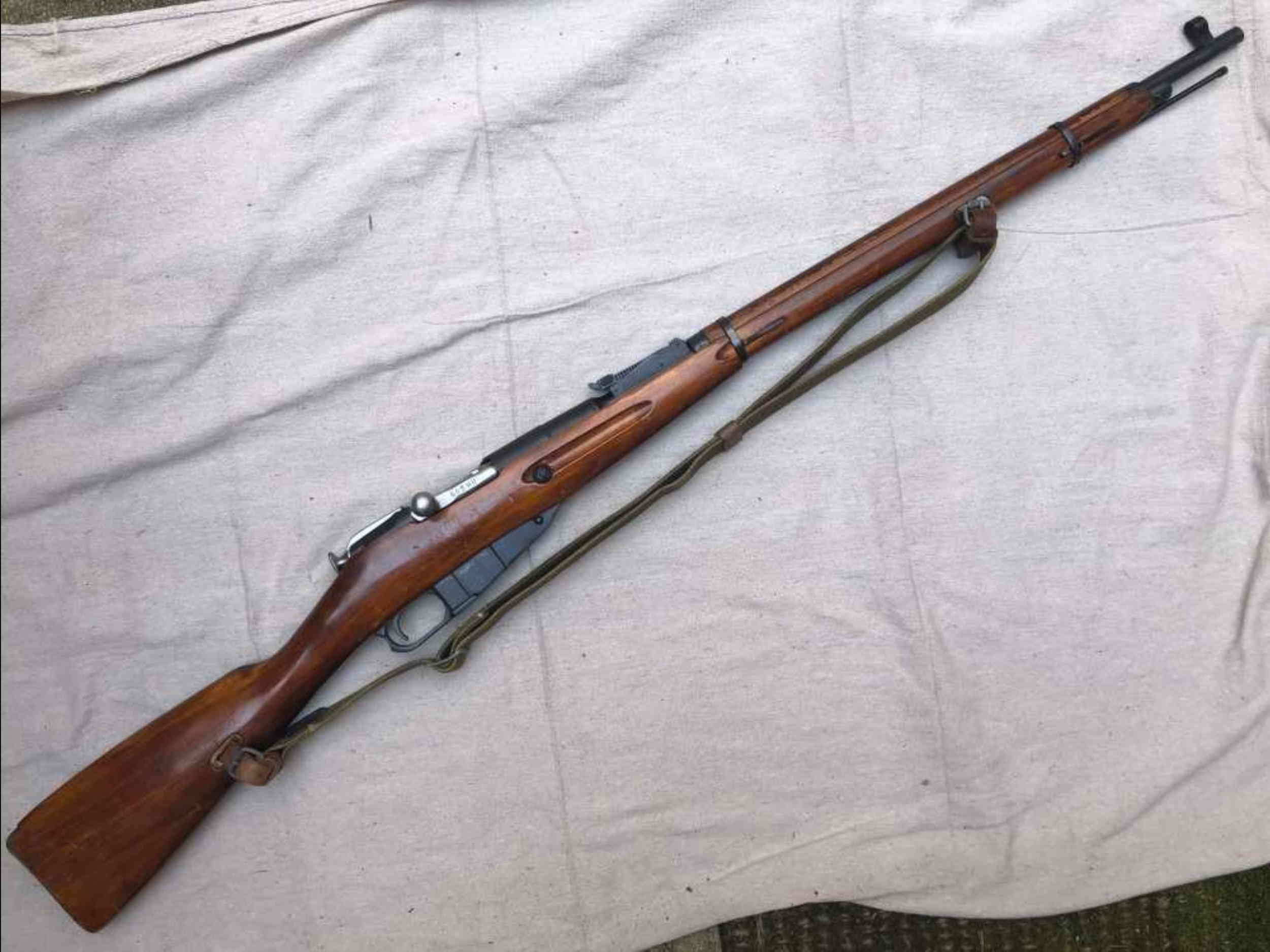
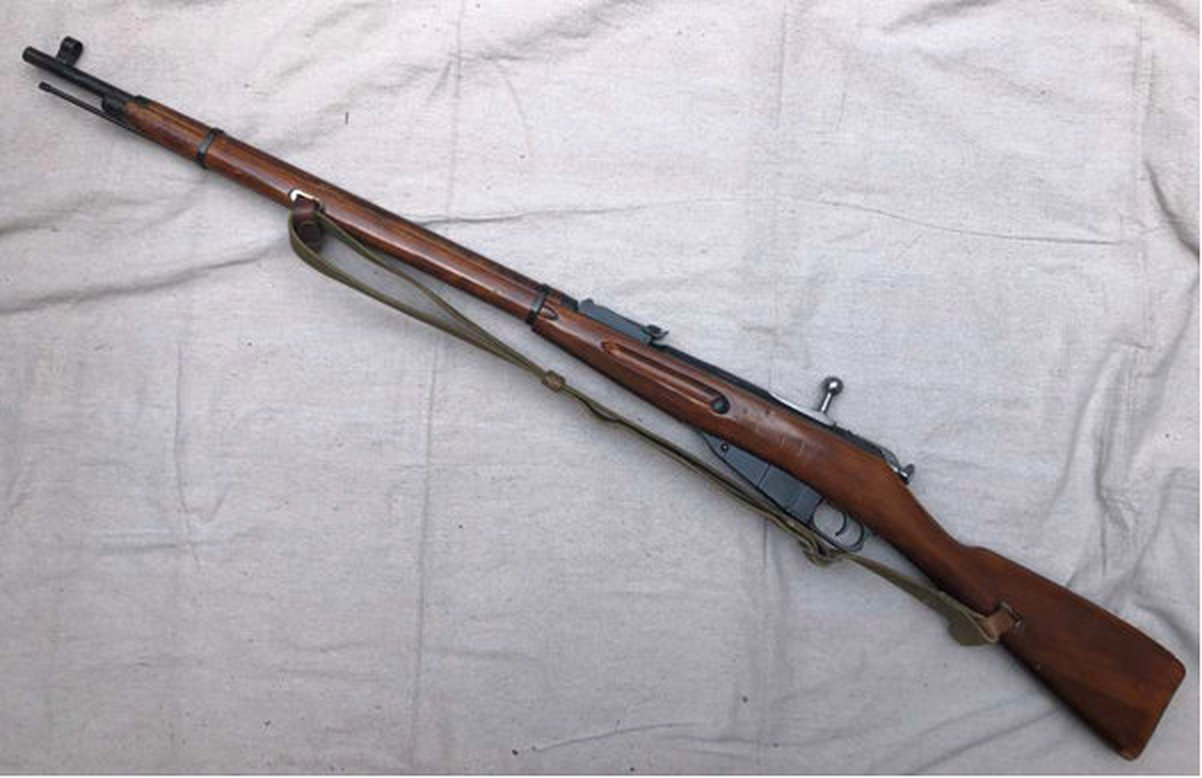
Wartime Soviet Mosin-Nagant infantry rifle produced at Tula Arsenal in 1938, later refurbished at Arsenal No. 1 in Ukraine and preserved in all-matching condition.
Images
Specifications
| General Information | |
|---|---|
| Country | USSR / Soviet Union |
| Manufacturer | Tula Arsenal (Factory No. 173) |
| Model | Mosin-Nagant M1891/30 Infantry Rifle |
| Year | 1938 (barrel and receiver date) |
| Caliber / Type | 7.62×54mmR, five-shot bolt-action infantry rifle |
| Configuration | Hardwood stock with arsenal-applied amber shellac, straight bolt handle, hoodless front sight, postwar refurbishment at Arsenal No. 1 (Balakliia, Ukraine) with blued metal and all-matching numbered components. |
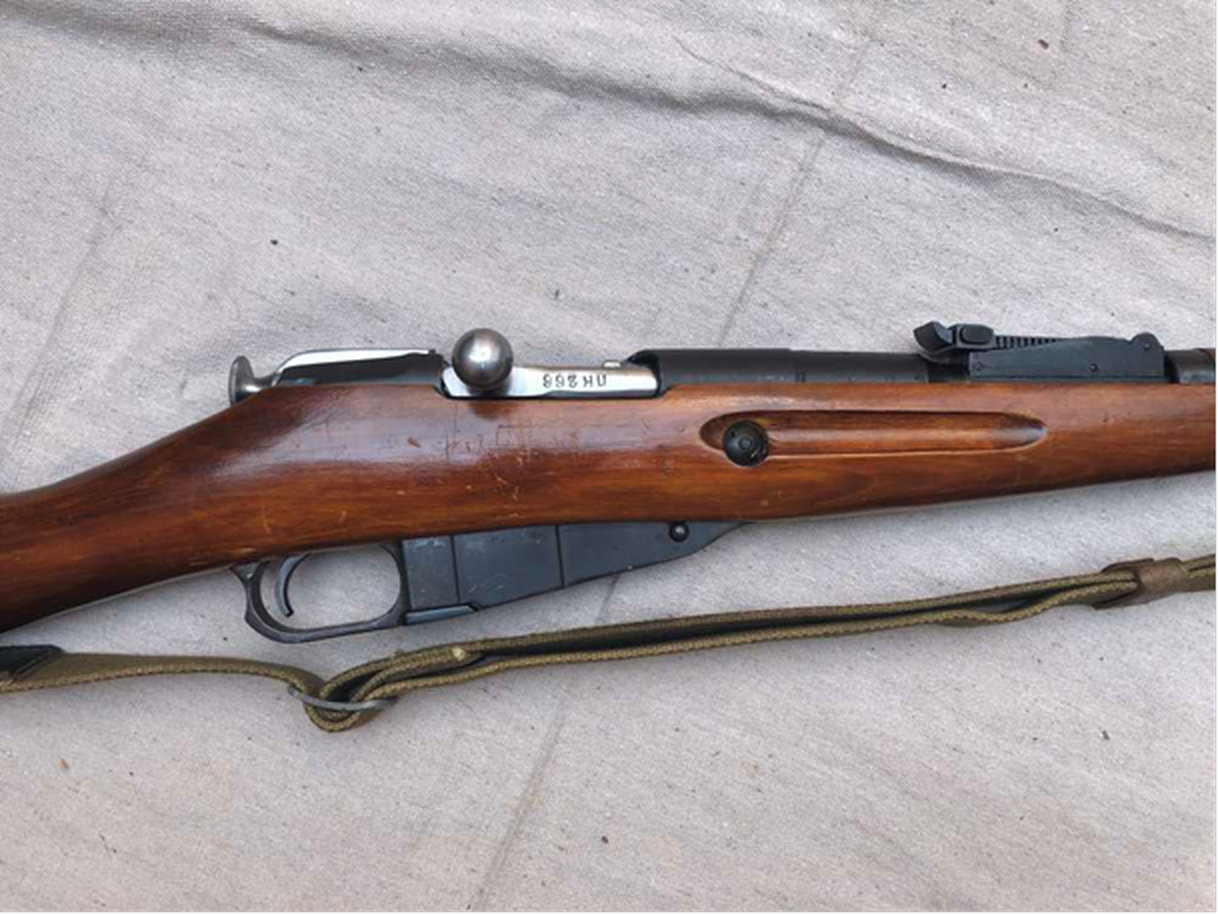
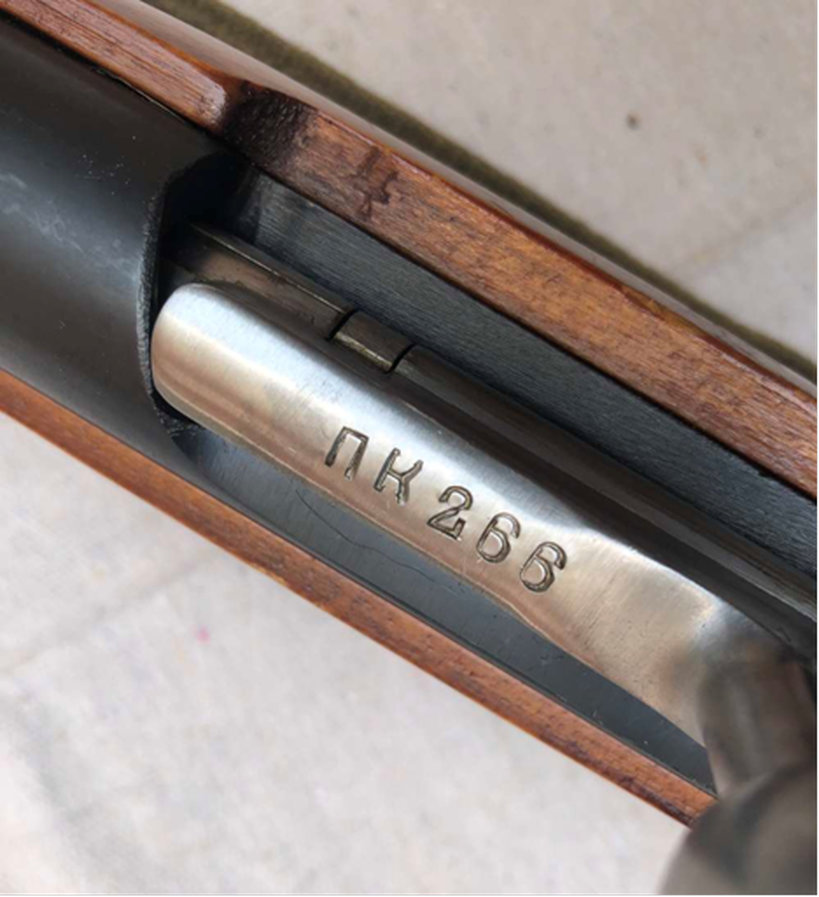
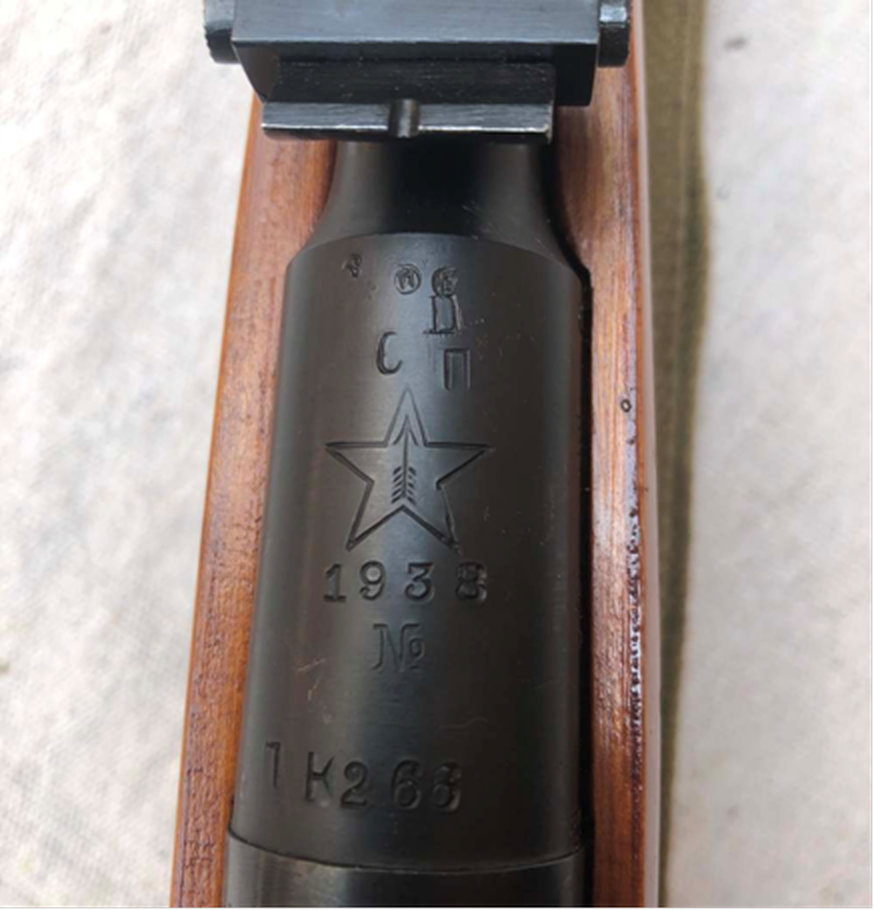
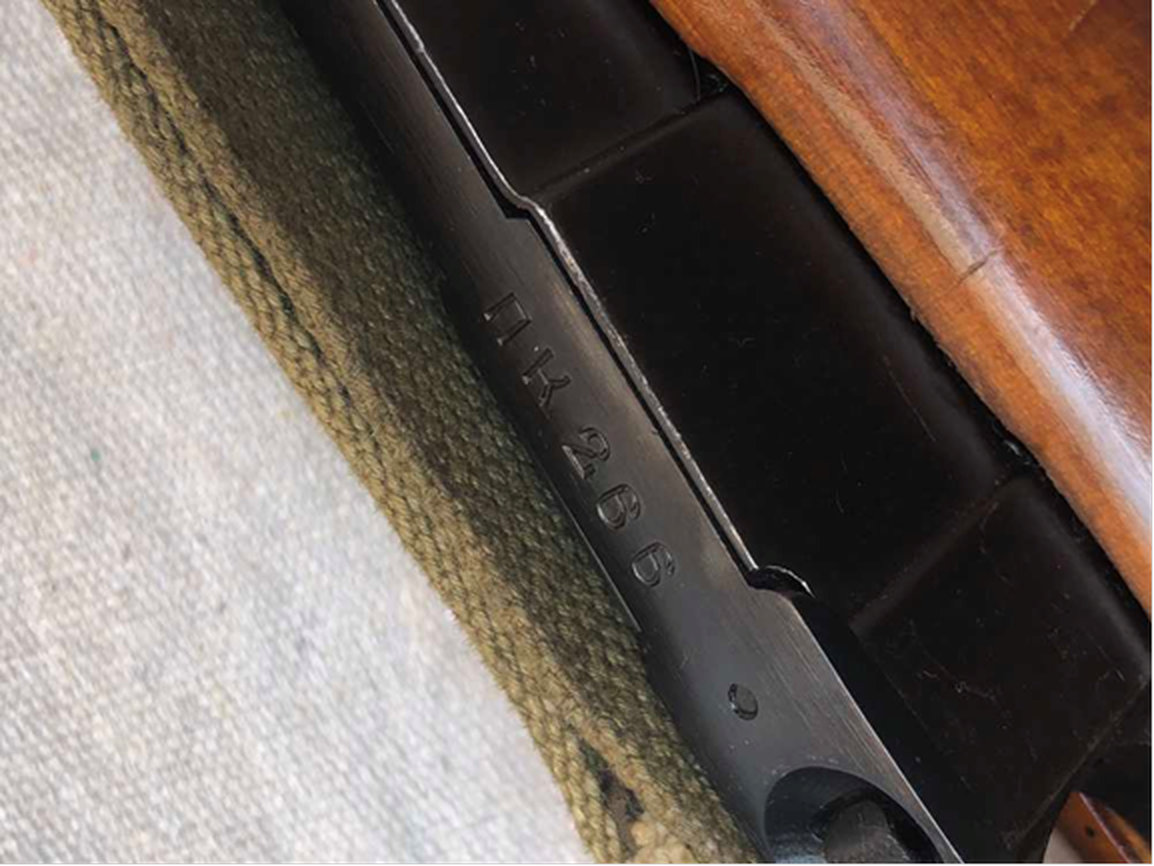
| Serial Number | ПК266 (PK266, Cyrillic prefix) |
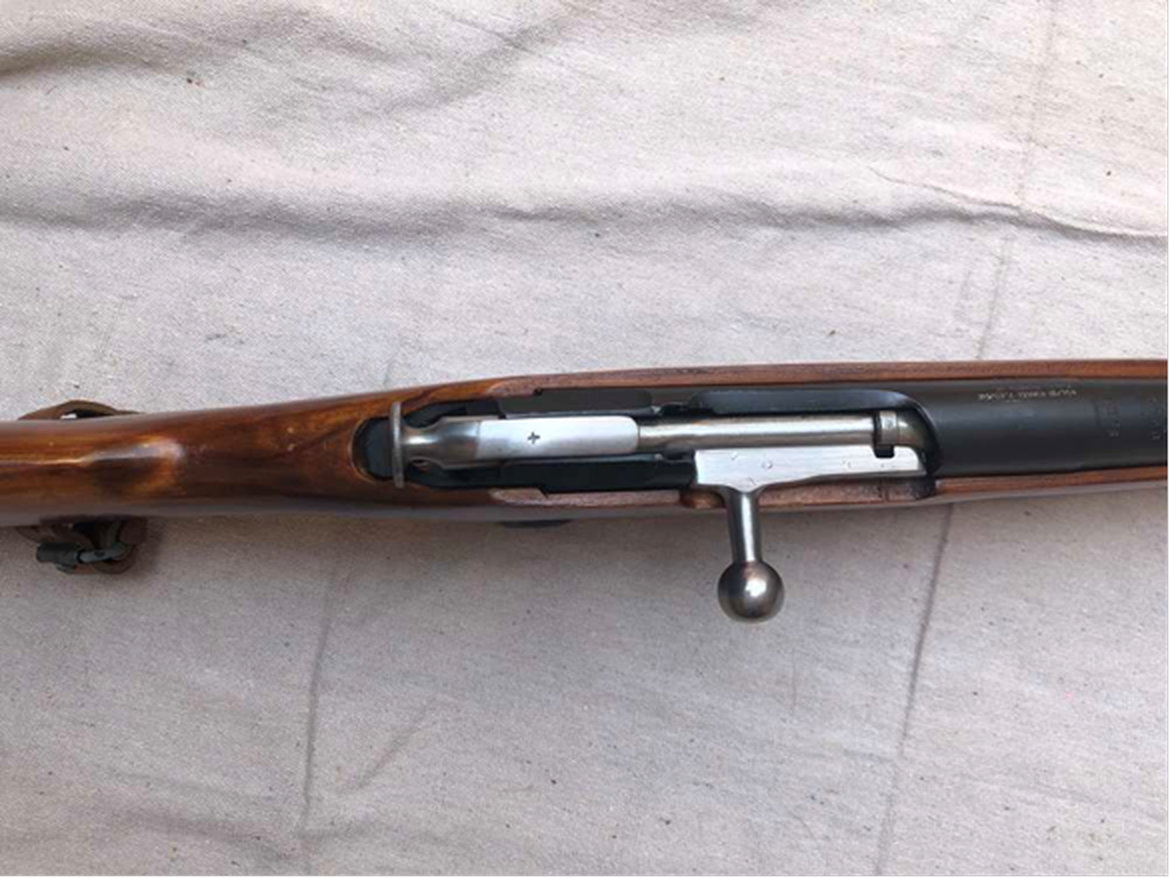
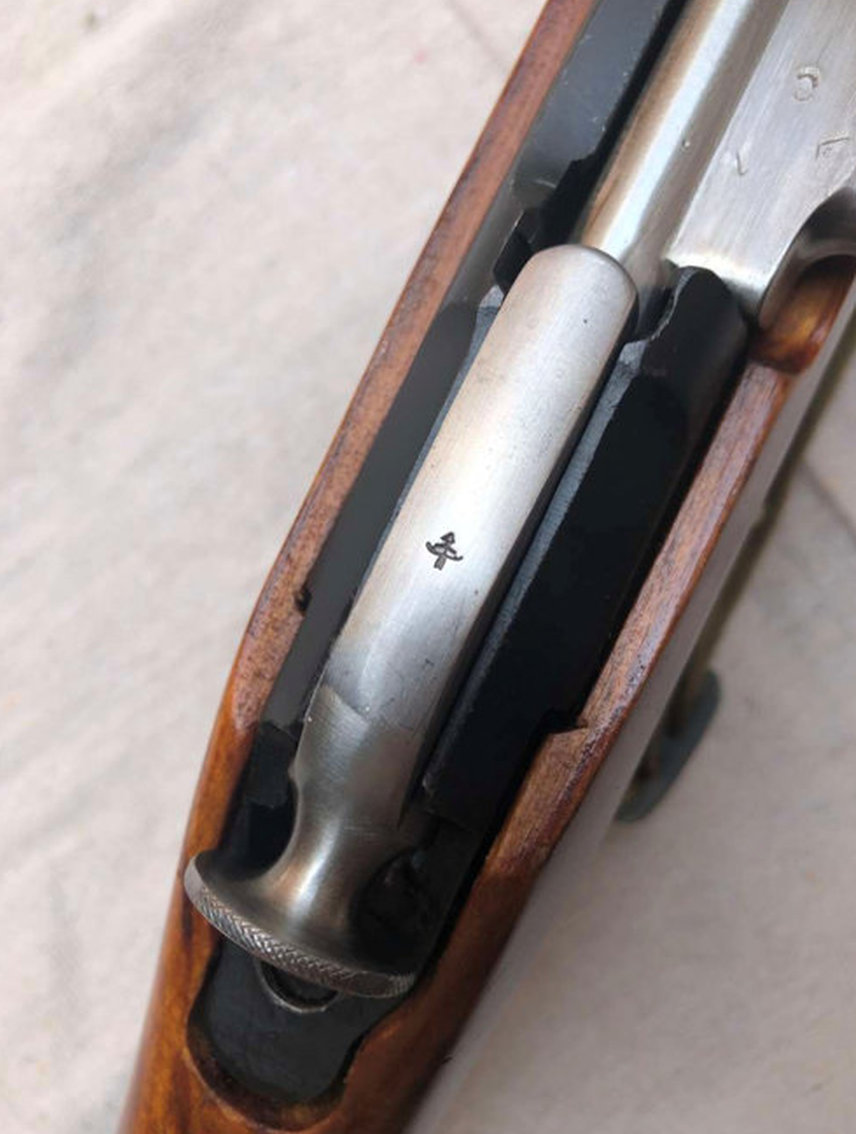
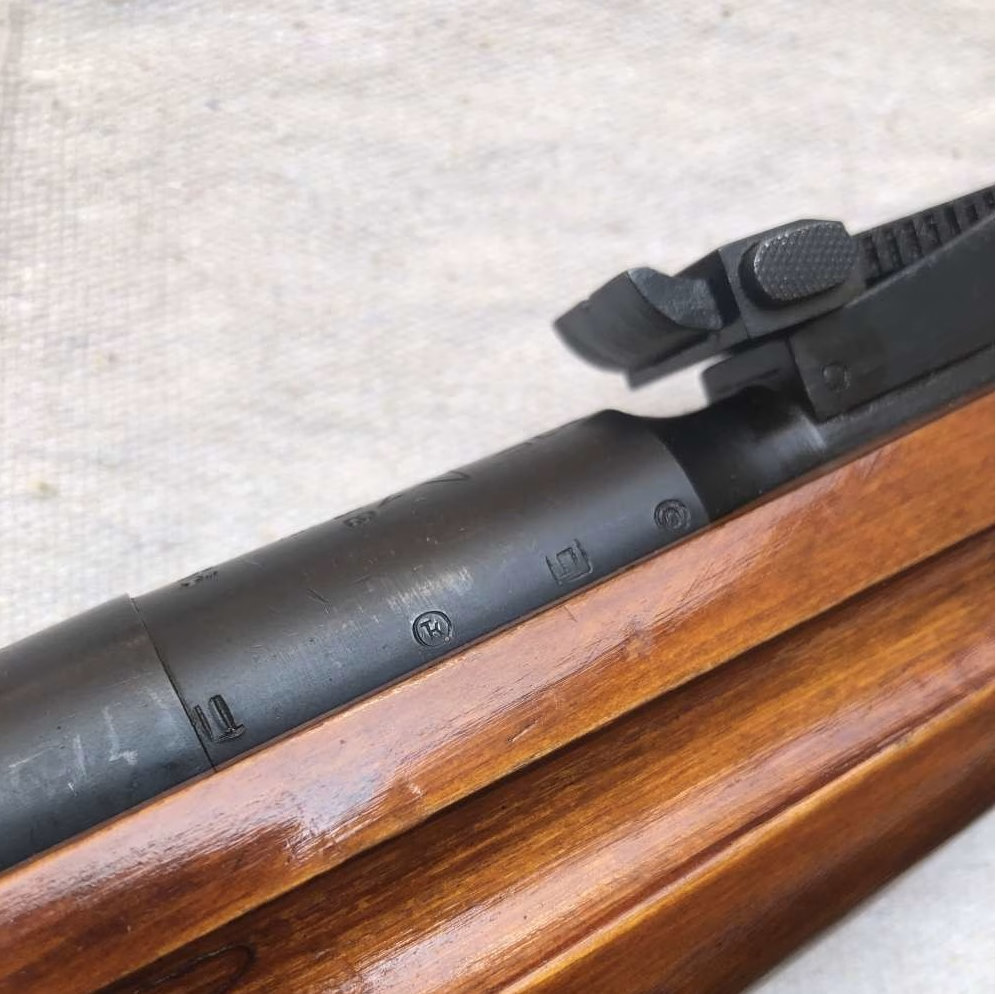
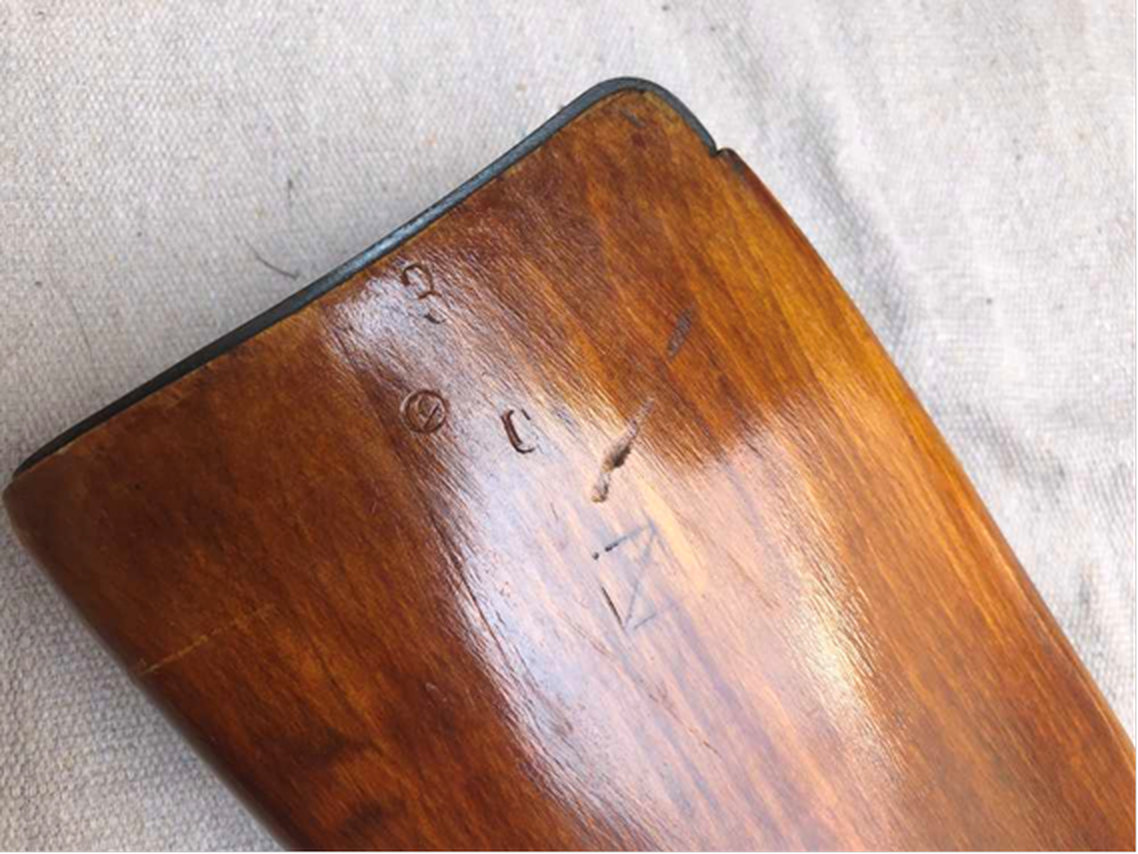
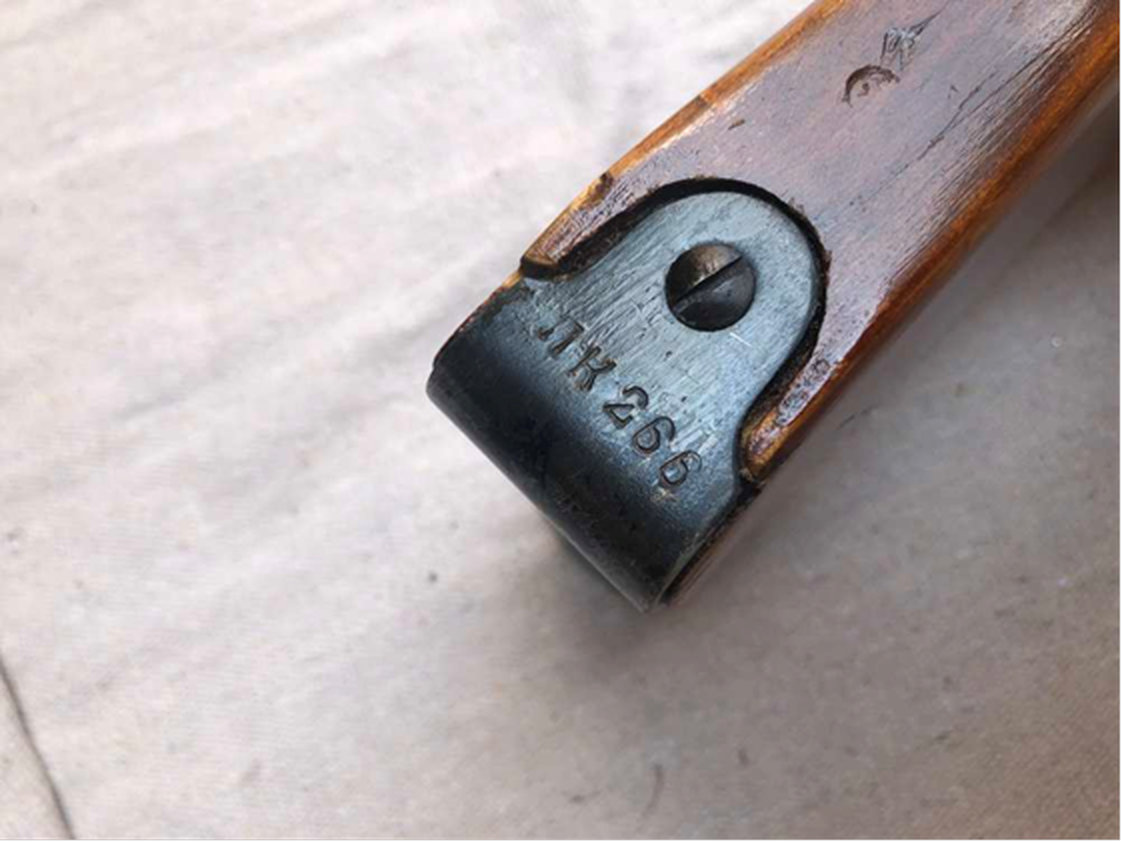
| Markings | Barrel shank stamped with Tula Arsenal five-point star and arrow, date 1938, and serial ПК266. Postwar Ukrainian refurbishment stamp (small square with diagonal line) from Arsenal No. 1 on metal and stock. Additional Soviet inspection and proof stamps present on receiver, bolt, floorplate and buttplate, all matched to 266 during overhaul. |
Historical Summary
The Mosin-Nagant M1891/30 was the standard infantry rifle of the Red Army in the Second World War. This example was produced at Tula Arsenal in 1938, only a short time before the outbreak of large-scale conflict in Europe. By the time Germany invaded the Soviet Union in 1941, rifles like this one were in front line service with Soviet troops and saw combat in campaigns such as the Winter War against Finland and the fighting of the Great Patriotic War on the Eastern Front. Tula production is particularly sought after by collectors because it was lower in volume than the output from Izhevsk and is associated with high-quality prewar manufacture.
After the war, the Soviet Union placed enormous stocks of small arms into long-term storage. This Mosin was completely overhauled at Arsenal No. 1 in Balakliia, Ukraine, The rifle then sat in reserve through the Cold War era until it was eventually released as surplus and imported to the civilian market.
Manufacture at Tula Arsenal (1938)
Tula Arsenal, designated Factory No. 173, was one of the oldest and most important Russian armories. By the late 1930s it was turning out high-quality Mosin-Nagant rifles with well-machined receivers, crisp markings, and good fit and finish. Prewar Tula production is often viewed as the peak of Mosin manufacture before wartime pressures forced simplifications and rougher machining. A clearly marked Tula 1938 rifle sits in the sweet spot between prewar quality and full wartime service potential, which adds to its appeal as a representative Red Army infantry weapon.
Post-War Refurbishment at Arsenal No. 1 (Balakliia, Ukraine)
After WWII, this Mosin-Nagant underwent a comprehensive arsenal refurbishment to be put into long-term storage. Its refurbishment took place at Arsenal No. 1 in Balakliia, Ukraine, a major Soviet armaments depot known for overhauling small arms. The tell-tale evidence is the arsenal’s stamp – a small square with a diagonal line through it. Collectors recognize this mark as the identifier of the Balakliia facility (also referred to as the 1st GAU/GRAU Arsenal).
During refurbishment, the rifle would have been completely disassembled, cleaned, and inspected for wear. Worn parts were repaired or replaced from stockpiles of spares, and the rifle was then refinished. A key part of the process was ensuring all major parts were matching by serial number for inventory and logistical purposes. Often, armories would force-match numbers by grinding off old numbers and restamping new ones, or by stamping a matching number on any new part added. In this rifle’s case, the barrel/receiver still bears its original Tula serial “ПК266,” while other components were stamped to match that number during refurbishing. The bolt, magazine floorplate, and buttplate all carry the number 266 and the Cyrillic prefix “ПК,” indicating an all-matching rifle after refurbishment. Such arsenal matching was standard and ensured that the rifle’s parts stayed together as a unit.
The wood stock was refinished with a fresh coat of amber shellac, the standard Soviet post-war finish, but notably not heavily sanded. This is evidenced by the fact that the stock’s original cartouche markings and edges remain well defined under the shellac – the arsenal simply coated over them rather than stripping the wood. The finish on this rifle’s stock shows light flaking in places, a common outcome for the brittle shellac after decades, but overall the wood remains in excellent shape with no structural repairs.
The metal surfaces were blued or painted black at the arsenal for protection. On this rifle, the bluing is deep and uniform, with an excellent re-arsenal metal condition: no pitting or rust, and only minor handling wear. Arsenal-refurbished Mosins often have a nearly matte black appearance from the bluing or black enamel applied at overhaul, and this example fits that pattern. All proof marks and factory stamps (including the Tula star and the Balakliia arsenal mark) are still intact and clearly visible, thanks to this relatively gentle refurbishment approach.
Collector Notes
Arsenal refurbished Mosin-Nagant rifles used to be one of the most affordable surplus rifles in the United States. Sanctions on Russian firearms and the end of large Eastern European surplus exports have changed that picture. Standard M91/30 prices have climbed several times over in the last decade as long-term stocks dry up and no new imports replace them. Collectors now pay close attention to arsenal marks, dates and production plants, with prewar Tula rifles standing out as especially desirable examples.
Several features make this rifle a strong representative piece. It is a Tula prewar production rifle with all visible serial numbers matching, including bolt, barrel shank, floorplate and buttplate. The stock retains its shape and markings under the shellac, with only light flaking in high contact areas. The metal finish is deep and uniform with no pitting, reflecting careful postwar refurbishment rather than hard post-service use. With import supplies from Eastern Europe effectively shut off, rifles in this condition are now collected as historic artifact represenatives rather than as simple budget shooters. Values are likely to continue trending upward as available numbers shrink.
Provenance
- 1938 production at Tula Arsenal, later overhauled and placed into storage at Arsenal No. 1 in Balakliia, Ukraine as part of Soviet postwar reserve stocks.
- Released to the surplus market as an all-matching M1891/30 with correct socket bayonet, then acquired for this collection as a representative example of a refurbished Red Army service rifle.
Editorial Note
These pages are presented for historical and collector-reference purposes. Relics & Rifles does not sell firearms or facilitate transactions. Any discussion of configuration, markings, or accessories is descriptive and intended to preserve context for research.