7.7×58mm Type 99 Arisaka Cartridge
7.7×58mm Type 99 Arisaka Cartridge
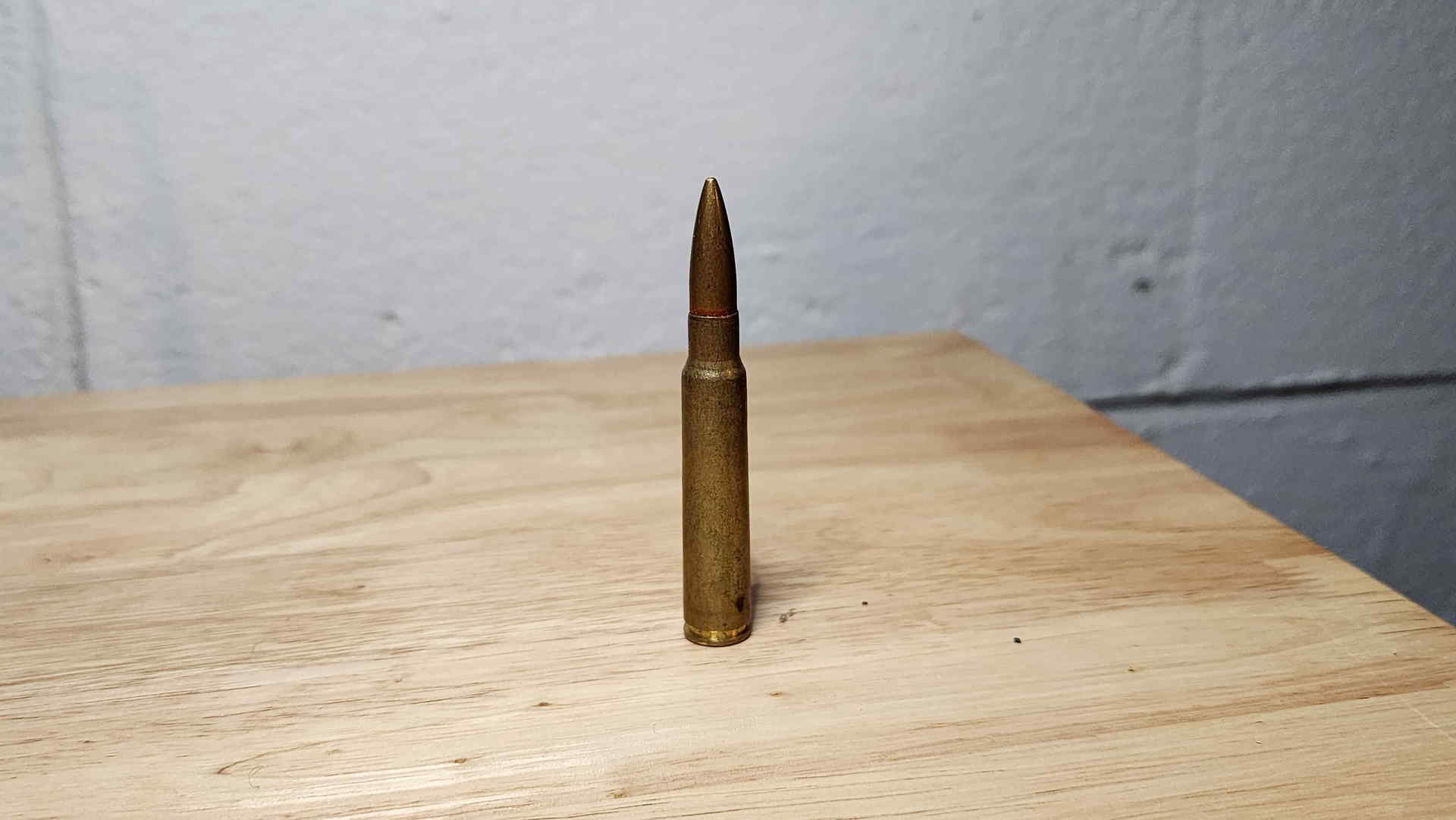
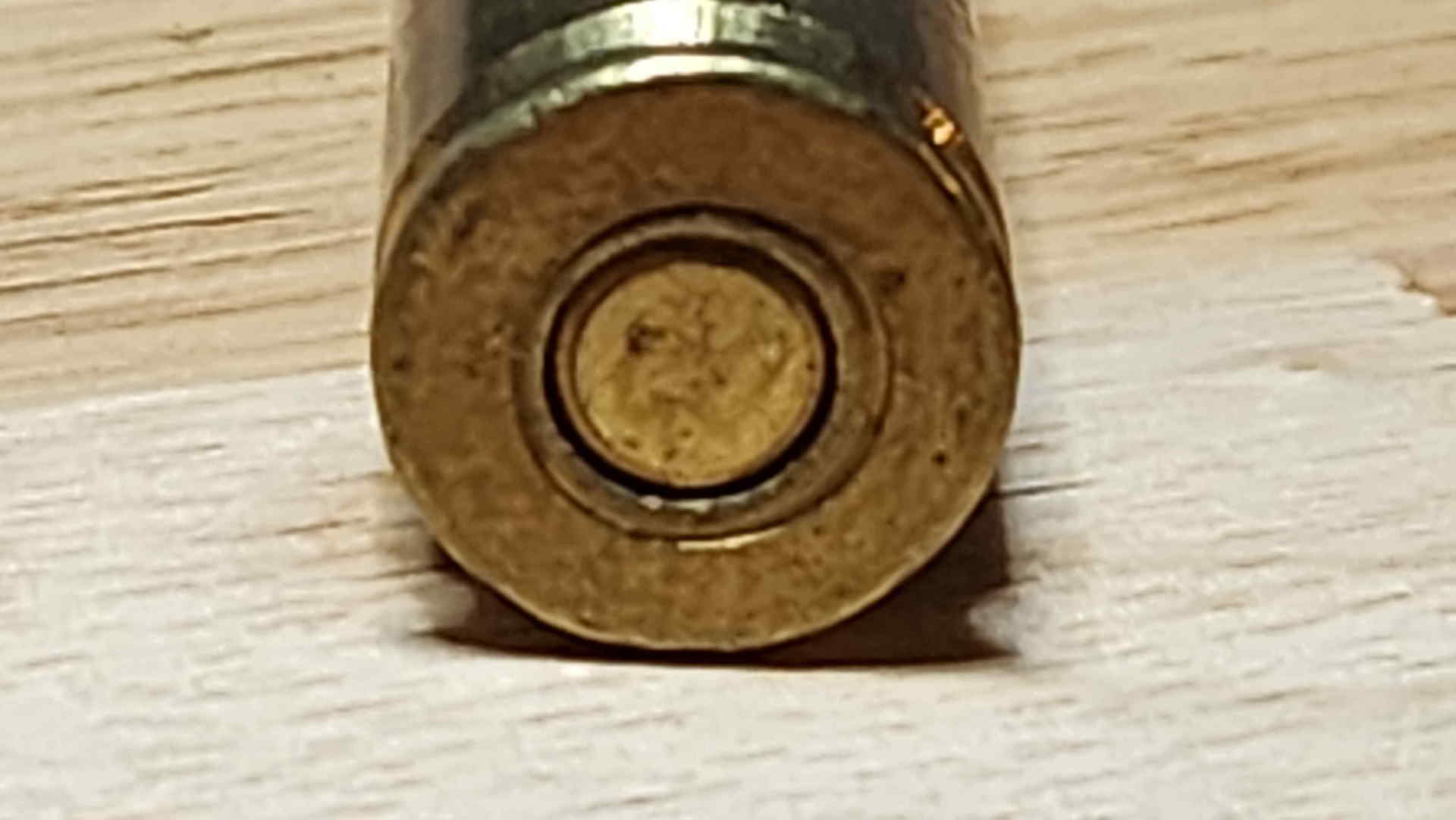
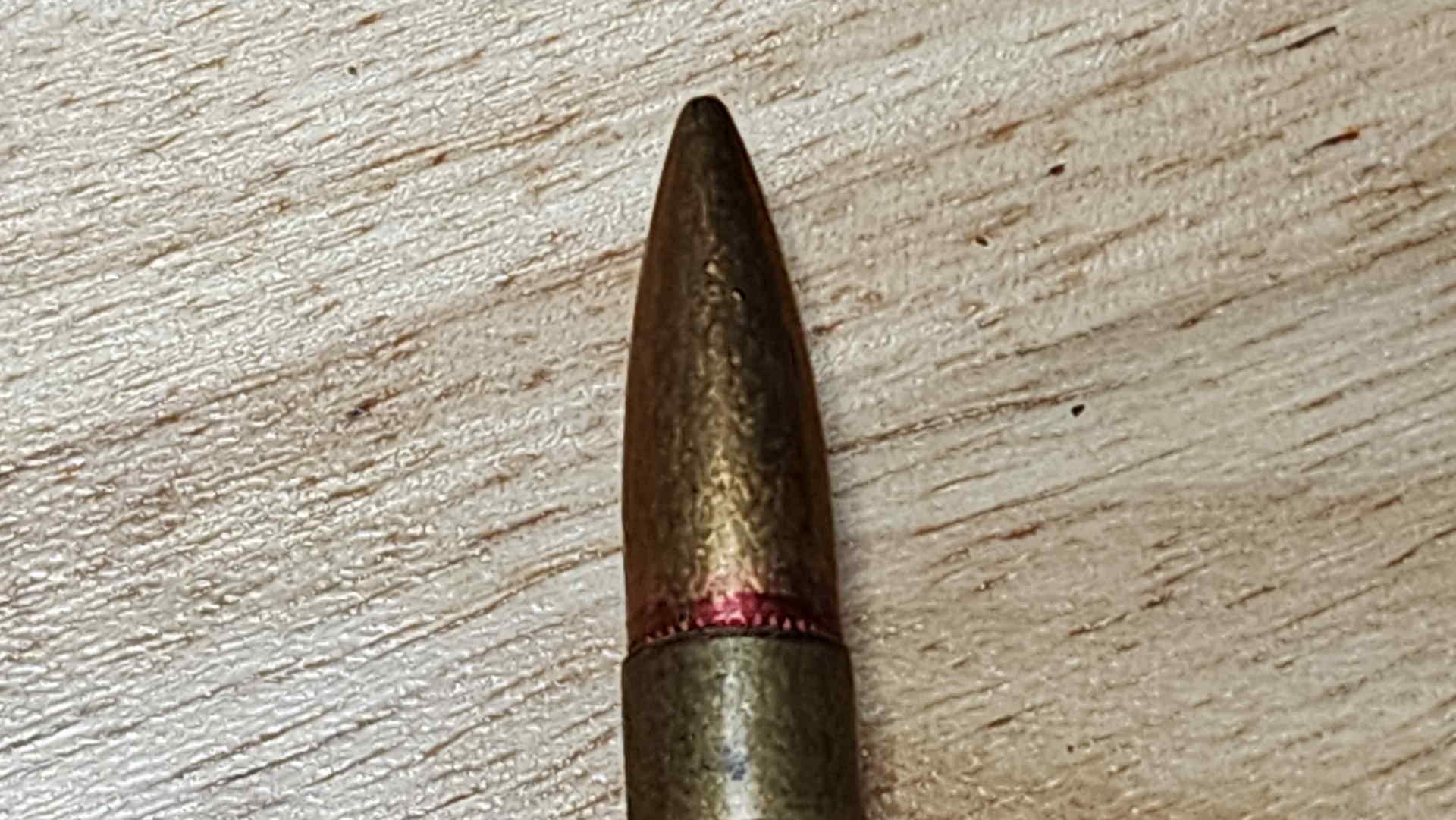
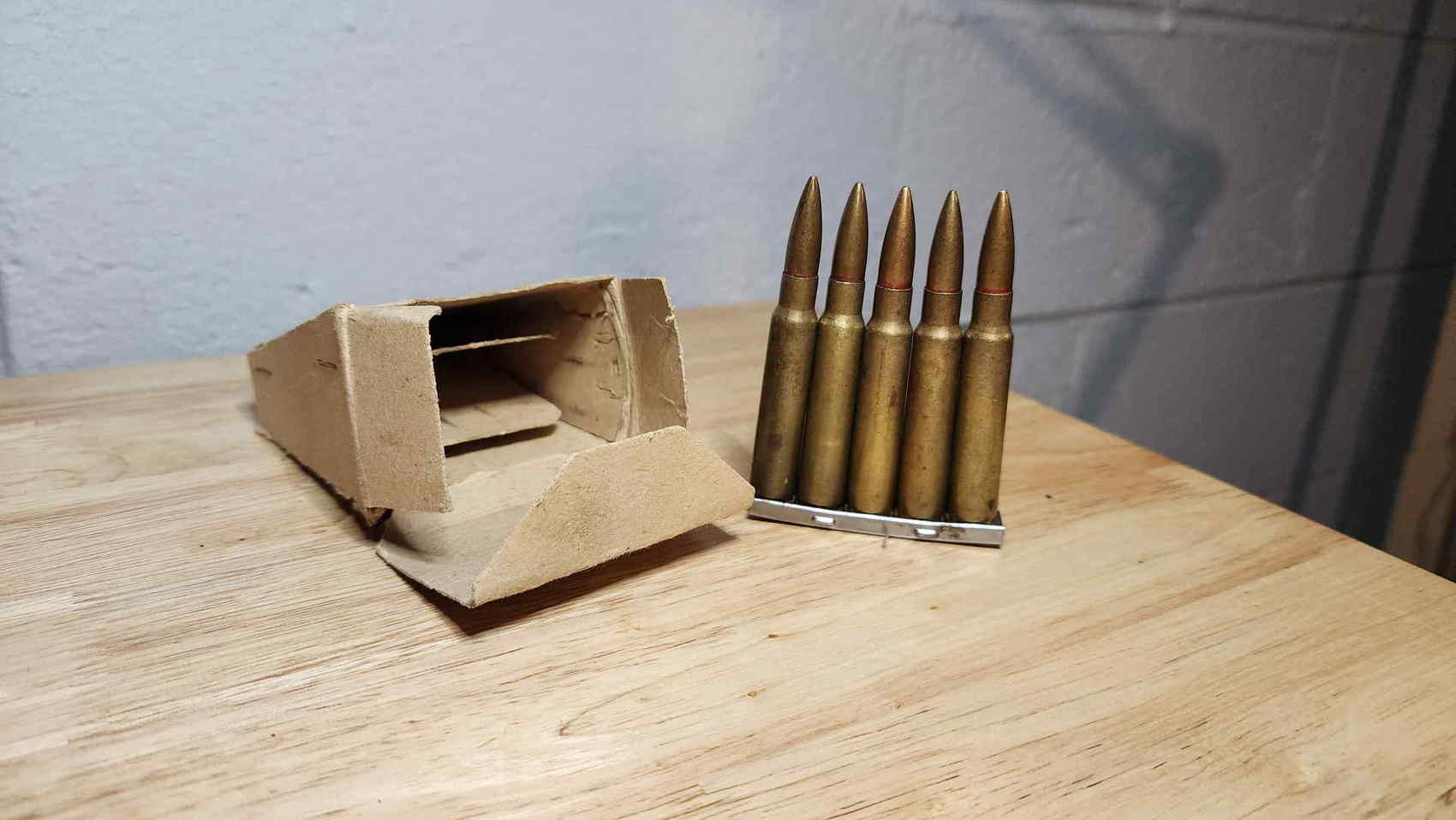
Japanese World War II 7.7×58mm Type 99 Arisaka service ammunition, photographed as a loose round, close-up neck detail, blank base view, and clip-and-box grouping with historical and collector context.
Images
Specifications
| General Information | |
|---|---|
| Country | Japan |
| Manufacturer | Imperial Japanese Army wartime production, arsenal-specific origin unknown on this example |
| Model | 7.7×58mm Type 99 Arisaka ball cartridge |
| Year | World War II era, circa 1939-1945 |
| Caliber / Type | 7.7×58mm rimless bottleneck military rifle and light machine gun cartridge |
| Configuration | Brass-cased Type 99 service cartridge with pointed FMJ bullet of approximately 181 to 182 grains, flat-base projectile form, and red or pink lacquer sealant at the case mouth typical of ordinary ball ammunition. |
| Primer | Berdan primer with prominent Japanese-style ring crimp |
| Packaging | Typically issued on 5-round stripper or en-bloc style clips for the Type 99 rifle, and also packed in wartime cardboard cartons or cloth bandoleers. |
| Serial Number | Not serialized |
| Markings | This example shows the blank base commonly encountered on Japanese Army 7.7×58mm ammunition, with no headstamp present. The case mouth lacquer identifies the round as standard ball loading. |
Historical Summary
The 7.7×58mm Type 99 cartridge was introduced in 1939 as Japan’s standard full-power rifle and light machine gun round for the Imperial Japanese Army. It was developed from the earlier 7.7mm Type 92 machine gun cartridge, but adopted in a rimless case better suited to reliable feeding in box magazines and modern infantry arms. It became the service cartridge of the Type 99 rifle and its associated light machine gun family during the Second World War.
In practical terms, the Type 99 gave Japan a more powerful service cartridge than the older 6.5×50mmSR Arisaka round, though wartime production realities meant both calibers remained in use side by side through the end of the conflict. Standard ball loading used a roughly 181-grain full metal jacket bullet at approximately 2,480 feet per second from a rifle barrel, placing its performance in the same general class as the .303 British.
Japanese Army ammunition of this type is notable for a few recurring collector features. Many wartime 7.7×58mm Army rounds have no headstamp at all, relying instead on physical characteristics such as the ring-crimped Berdan primer and the lacquer seal at the case mouth. On ball ammunition, that seal was typically pink or salmon in tone, though surviving examples often appear darker red from age, oxidation, or lighting.
Packaging was commonly in 5-round clips for charging the Type 99 rifle’s internal magazine, along with cardboard cartons and bandoleers for transport and issue. The clip-and-box grouping shown here helps illustrate how these cartridges would have been encountered in service, while the close-up views highlight the unmarked base and lacquered neck that make Japanese wartime small-arms ammunition so distinctive to collectors today.
Collector Notes
The Type 99 cartridge is a desirable companion item for collectors of Japanese World War II rifles, ammunition, and militaria. Loose examples are not impossible to find, but well-kept specimens with clear lacquer at the neck, good brass color, and an untouched primer crimp present especially well in a display.
One of the more interesting identification points is the blank head. Collectors unfamiliar with Japanese Army ammunition sometimes expect a headstamp and may assume an unmarked base indicates an anomaly, but the absence of a headstamp is in fact a normal characteristic on many wartime Type 99 rounds. The visible ring-crimped Berdan primer helps confirm the cartridge’s military character.
Condition matters most at the neck, primer, and case body. Collectors usually look for intact lacquer sealant, an undisturbed bullet pull, and freedom from heavy corrosion or dents. When paired with a proper clip, original box, or a Type 99 rifle display, these cartridges add strong visual and historical context to a Japanese ordnance grouping.
Provenance
- Acquired on the civilian collector market as an original Japanese World War II 7.7×58mm Type 99 Arisaka cartridge.
- Physical characteristics are consistent with Imperial Japanese Army wartime production, including the blank base, ring-crimped Berdan primer, and lacquer-sealed case mouth.
- The grouped photograph with clip and box is included to document typical wartime loading and packaging context for the cartridge type.
- Preserved in the Relics & Rifles reference collection as a non-firing specimen.