.303 British Mk VII Ammunition (WRA, 1943)
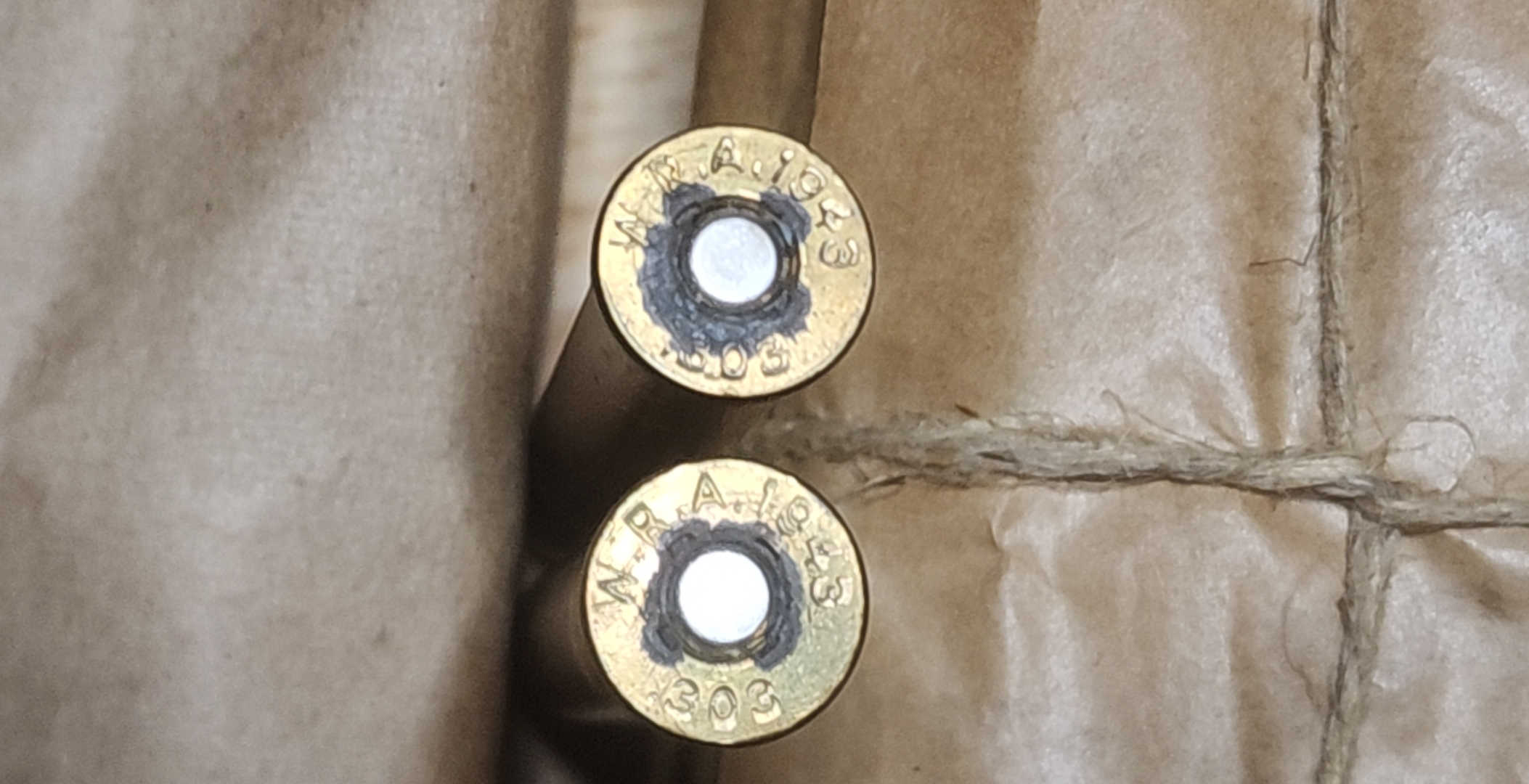
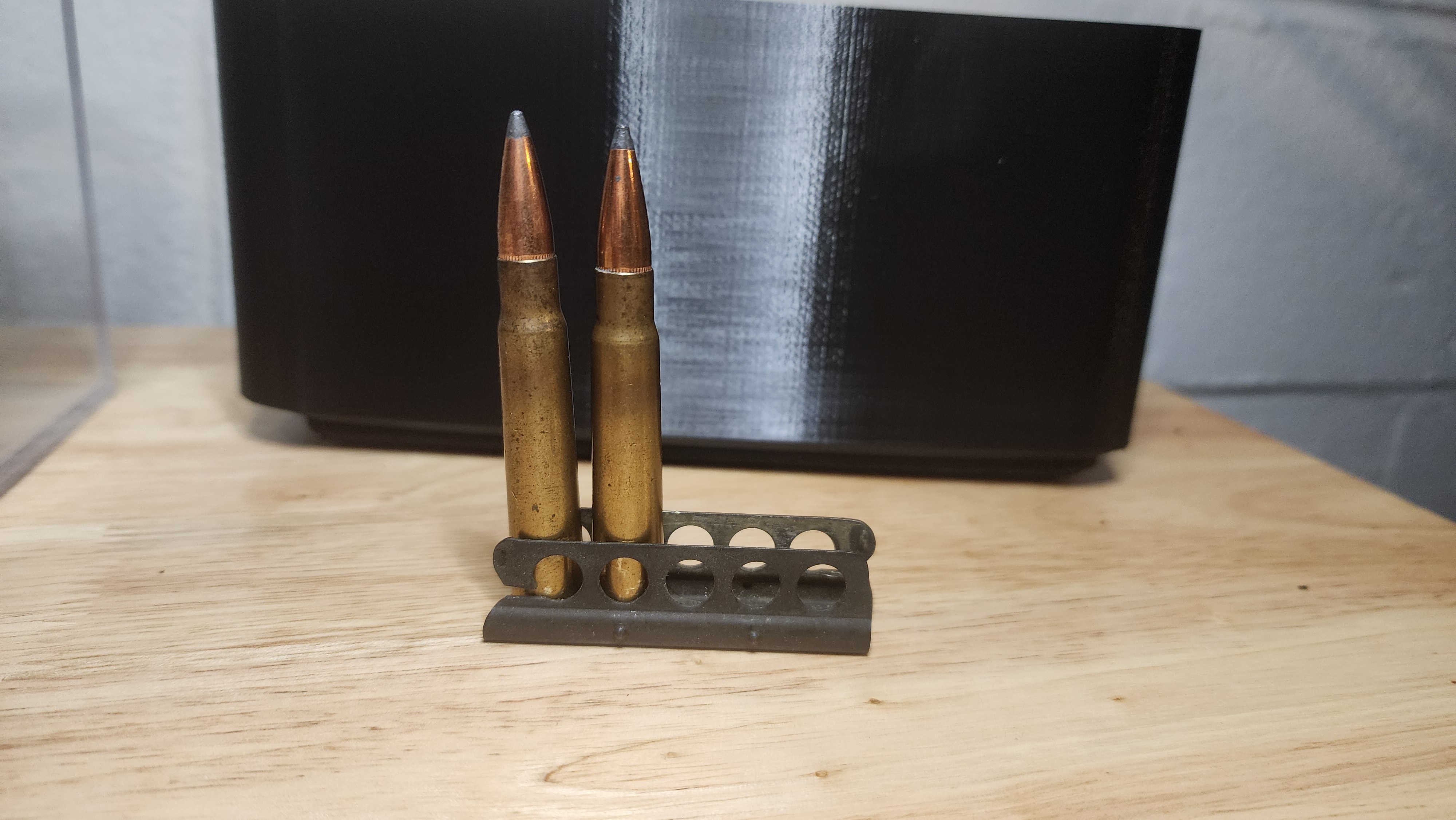
Individual specimens of .303 British Ball Mk VII ammunition with WRA 1943 .303 headstamps, produced by Winchester Repeating Arms Company of New Haven, Connecticut for British and Commonwealth forces during the Second World War. These cartridges follow the standard Mk VII pattern and represent a clear example of Anglo American cooperation in small arms supply.
Images
Specifications
| General Information | |
|---|---|
| Caliber | .303 British Mk VII |
| Cartridge Type | Ball Mk VII, standard British service rifle and machine gun cartridge |
| Headstamp | WRA 1943 .303 |
| Manufacturer | Winchester Repeating Arms Company, New Haven, Connecticut, USA |
| Year of Manufacture | 1943 |
| Intended Platforms | .303 British service rifles and machine guns (Lee Enfield series, Bren and Vickers among others) |
| Bullet Construction | 174 grain spitzer bullet with gilding metal jacket and lead / antimony core in the Mk VII pattern |
| Collection Status | Individual reference cartridges in the Relics & Rifles collection (original packaging not present) |
Historical Summary
The .303 British Mk VII cartridge, introduced just before the First World War, became the standard rifle and machine gun round of the British Empire. It fed Short Magazine Lee Enfield rifles, Bren light machine guns, Vickers guns, and other platforms from the 1910s through the end of the Second World War.
Winchester Repeating Arms had experience with .303 British from the First World War and returned to this caliber when Britain again turned to North American industry in the early 1940s. Under British Purchasing Commission contracts and later Lend Lease arrangements, Winchester and other Olin affiliated plants produced large quantities of Mk VII pattern .303 ammunition for export to Britain and the Commonwealth. Cartridges with the WRA headstamp identify production from Winchester’s New Haven works.
Wartime packaging of this ammunition was sometimes marked for rifle or ground use only, since certain American made .303 lots did not always match British expectations for aircraft gun reliability. Even with those limitations, Winchester .303 production remained a visible contribution to keeping British forces supplied with small arms ammunition during 1943.
Configuration & Features
- Standard .303 British Mk VII ball load for British service rifles and machine guns.
- 174 grain spitzer bullet with typical Mk VII profile.
- Brass case with “WRA 1943 .303” headstamp.
- Production linked to British and Commonwealth contracts during the middle years of the war.
- Representative example of American made .303 ammunition supplied to Allied forces.
Collector's Notes
WRA 1943 .303 cartridges are a classic example of American contract production for British service. Collectors often compare primer staking style, case finish, and bullet profile when studying different Winchester wartime lots. Four equidistant primer stake crimps are common on many 1942 and 1943 dated rounds.
As loose specimens these cartridges display well alongside Lee Enfield rifles or British web equipment from the same period. Intact, labeled boxes with clear Winchester markings bring a premium and provide more information about the exact contract and intended use. Individual rounds with clean cases and legible headstamps still serve as useful reference pieces that highlight Anglo American cooperation in ammunition supply.
The examples shown here are preserved in the Relics & Rifles collection as historical artifacts, not for firing. Their precise path from wartime issue to the present is unknown, which is typical for surplus ammunition that was sold in bulk and dispersed through civilian channels after the war.